
In this article…
- What Is Indoor Air Quality?
- What Causes Poor Indoor Air Quality in Your Home?
- 1. Dirty or Clogged HVAC Air Filters
- 2. Poor Ventilation
- 3. Dust, Pet Dander, and Other Allergens
- 4. Excess Moisture and High Indoor Humidity
- 5. Low Indoor Humidity During Winter
- 6. Household Cleaning Products and Chemicals
- 7. Dirty or Leaky Air Ducts
- 8. Heating Systems and Combustion Appliances
- What Are the Most Common Signs of Poor Indoor Air Quality?
- Keeping Your Air Clean and Your Family Safe This Season
As temperatures begin to drop and cold and flu season approaches, most of us start spending more time indoors.
Cooler mornings and evenings allow us to open our windows and let air circulate throughout our home, but that doesn’t completely clear out all that dust, dander, pet hair, and allergens.
Have you ever thought about what’s actually circulating through the air in your home?
Even if your home looks clean, the air inside most likely contains dust, allergens, chemicals, and other pollutants that affect your comfort and potentially your health.
Poor indoor air quality can contribute to allergy symptoms, respiratory irritation, and other health concerns. And during cold and flu season, when you tend to spend more time indoors, maintaining good air quality becomes even more important.
Luckily, there are several ways to improve the air quality in your home, and many of them are easier than you might think.
In this article, we’ll cover eight common causes of poor indoor air quality, signs to watch for, and what you can do to keep your home’s air cleaner and healthier throughout the year.
What Is Indoor Air Quality?
Indoor air quality (IAQ) refers to the condition of the air inside your home, including the presence of pollutants, allergens, and other airborne contaminants that may affect your health and comfort.
Many associate air pollution with outdoor conditions, like vehicle exhaust, smoke, or industrial pollution. However, the air inside your home can also contain pollutants from everyday activities, household products, pets, and even your HVAC system.
Some of the most common indoor air pollutants include:
- Dust and dust mites
- Pet dander
- Mold spores
- Pollen
- Smoke and airborne particles
- Volatile organic compounds (VOCs) from household products
- Carbon monoxide and other combustion-related pollutants
- Airborne viruses and bacteria
Your home’s ventilation, humidity levels, filtration, and heating and cooling systems all play a role in maintaining indoor air quality.
While you may not be able to eliminate every airborne pollutant, understanding where they come from is the first step toward improving the air you breathe.
What Causes Poor Indoor Air Quality in Your Home?
Poor indoor air quality isn’t always caused by one specific problem. In many cases, several factors contribute to the air quality inside your home.
Here are eight of the most common causes homeowners should be aware of.
1. Dirty or Clogged HVAC Air Filters
Your HVAC system’s air filter is one of the first lines of defense against airborne particles circulating throughout your home.
As air moves through your HVAC system, the filter captures dust, pet dander, pollen, and other particles before they can continue circulating through the system.
However, over time, these filters collect debris and become dirty.
When an air filter becomes clogged, it can restrict airflow, make your HVAC system work harder, and reduce its ability to effectively filter the air passing through it.
What can you do?
Check your HVAC air filter regularly and replace it according to the manufacturer’s recommendations. Depending on the type of filter, your household, and how frequently your system runs, some filters may need to be replaced more often than others.
If you have pets, allergies, or a particularly dusty home, you may need to check your filter more frequently.
It’s also important to use a filter that’s compatible with your HVAC system. A higher-rated filter isn’t always better if it restricts airflow beyond what your equipment can handle.
2. Poor Ventilation
Ventilation is the process of bringing fresh outdoor air into your home and removing stale indoor air.
Without adequate ventilation, pollutants from cooking, cleaning products, household activities, and other sources can accumulate indoors.
This becomes particularly relevant during the fall and winter months.
As temperatures drop, you may tend to keep your windows and doors closed more often. While this helps maintain a comfortable indoor temperature, it can also limit the amount of fresh air entering the home.
Why does this matter during cold and flu season?
Respiratory viruses, including influenza, can spread through infectious particles released into the air when someone breathes, talks, coughs, or sneezes.
In poorly ventilated indoor spaces, some of these particles can remain suspended in the air, increasing the potential for exposure.
Proper ventilation helps dilute airborne contaminants and can reduce the concentration of infectious respiratory particles indoors.
What can you do?
When weather and outdoor air quality allow, opening windows can help introduce fresh air into your home.
You should also use kitchen and bathroom exhaust fans when cooking or showering to help remove moisture and pollutants.
3. Dust, Pet Dander, and Other Allergens
Even the cleanest homes contain some amount of dust and allergens.
Everyday activities like walking across carpet, sitting on furniture, and playing with pets can stir up particles that eventually become airborne.
Common household allergens include:
- Dust mites: Microscopic organisms commonly found in bedding, carpets, and upholstered furniture.
- Pet dander: Tiny flakes of skin shed by animals that can trigger allergic reactions.
- Pollen: Outdoor allergens that can enter your home through open doors, windows, clothing, and pets.
- Microbial growth: Airborne particles released by microbial growth in damp areas.
For homeowners with allergies or asthma, exposure to these particles may trigger sneezing, congestion, coughing, or other respiratory symptoms.
And while allergens are present year-round, you may notice them more when you’re spending additional time indoors.
What can you do?
Regular cleaning is one of the simplest ways to reduce allergens in your home.
Vacuum carpets and upholstered furniture, wash bedding regularly, dust surfaces with a damp cloth, and keep up with HVAC filter replacements.
Using a vacuum with a HEPA filter can also help capture smaller particles rather than releasing them back into the air.
4. Excess Moisture and High Indoor Humidity
Humidity plays an important role in your home’s indoor air quality.
When indoor humidity levels become too high, excess moisture can create conditions that allow microbial growth, mildew, and dust mites to thrive.
Common sources of excess indoor moisture include:
- Leaky pipes or plumbing fixtures
- Poor bathroom ventilation
- Cooking and showering
- Water intrusion around windows or roofing
- Improperly functioning HVAC equipment
In San Antonio, where humid conditions can continue well into the fall, controlling moisture is an important part of maintaining a comfortable indoor environment.
Signs of excess moisture may include condensation on windows, musty odors, damp surfaces, or visible microbial growth.
What can you do?
Address leaks and moisture problems as soon as possible, use exhaust fans in bathrooms and kitchens, and consider a dehumidifier if your home consistently experiences high humidity.
Maintaining indoor relative humidity around 30–50% is a useful general target, although the ideal level can vary depending on outdoor conditions and your home.
5. Low Indoor Humidity During Winter
While high humidity can cause problems, excessively dry indoor air can also affect your comfort.
During colder weather, outdoor air generally contains less moisture. When that air enters your home and is heated, its relative humidity can drop significantly.
This can leave your indoor air feeling dry, especially when your heating system is running frequently.
Low indoor humidity may contribute to:
- Dry skin and lips
- Irritated eyes
- Dry nasal passages
- Scratchy throats
- General respiratory discomfort
Although dry air doesn’t directly cause colds or the flu, it can irritate the respiratory system and make existing symptoms feel more uncomfortable.
What can you do?
A simple indoor hygrometer can help you monitor your home’s humidity levels.
If your home consistently experiences excessively dry air, a properly maintained humidifier may help improve comfort during the colder months of the year.
However, it’s important not to add too much moisture. Excessive humidification can create condensation and mold problems, so maintaining a healthy balance is key.
6. Household Cleaning Products and Chemicals
Some of the products you use to keep your home clean and smelling fresh can actually contribute to indoor air pollution.
Many household products release chemicals into the air, including volatile organic compounds, commonly referred to as VOCs.
These chemicals can come from everyday items such as:
- Cleaning sprays and disinfectants
- Air fresheners
- Scented candles
- Paints and adhesives
- Furniture and building materials
- Certain personal care products
Depending on the chemical and level of exposure, some VOCs can cause eye, nose, or throat irritation, headaches, or other health effects.
During the holiday season, you may be using more cleaning products, candles, and air fresheners while preparing your home for guests, so this is important to consider during this time of year.
What can you do?
Choose low-VOC or fragrance-free products when possible, follow product instructions, and ensure adequate ventilation when using household chemicals.
It’s also important to remember that a home smelling clean doesn’t necessarily mean the air is clean.
In fact, some products designed to make your home smell better may introduce additional pollutants into the air.
7. Dirty or Leaky Air Ducts
Your home’s ductwork is responsible for distributing heated and cooled air throughout your living spaces.
Because this air travels through your ducts before reaching individual rooms, the condition of your ductwork can affect your home’s airflow and, in certain situations, its indoor air quality.
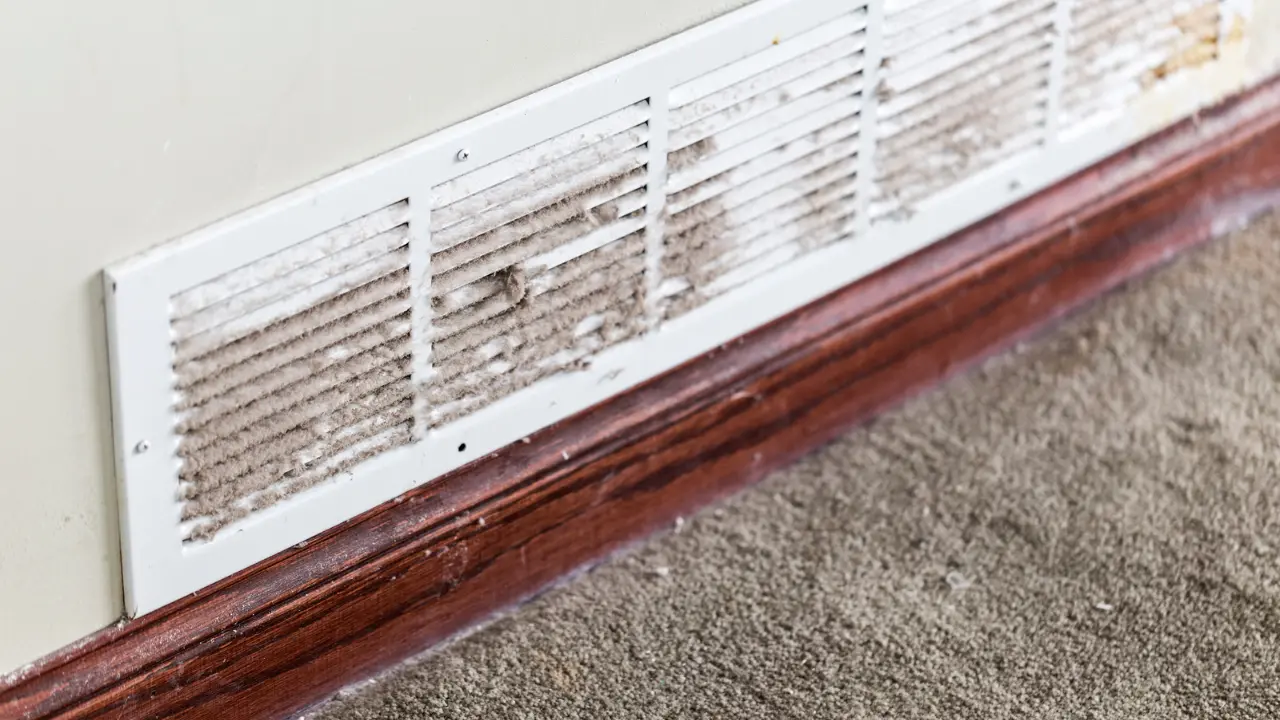
Over time, dust and debris may accumulate inside ductwork.
However, the presence of some dust doesn’t automatically mean your ducts are causing an indoor air quality problem.
A more significant concern can occur when ductwork is damaged, improperly sealed, or exposed to moisture and contamination.
For example, leaky return ducts located in an attic may draw in dusty or contaminated air from outside the conditioned living space.
Potential ductwork concerns include:
- Air leaks that pull in dust or insulation particles
- Moisture accumulation that supports mold growth
- Pest contamination
- Excessive debris buildup
- Damaged or disconnected duct sections
What can you do?
If you notice excessive dust, musty odors, visible contamination, or airflow problems, it may be worth having your ductwork professionally inspected.
Depending on the condition of your ducts, a technician may recommend duct sealing, repairs, or cleaning.
Not every home needs professional duct cleaning, but identifying and addressing actual ductwork problems can help improve your HVAC system’s performance and prevent certain contaminants from entering your home’s air.
8. Heating Systems and Combustion Appliances
As temperatures begin to drop, you start to transition your system from air conditioning to heating.
While a properly maintained heating system should operate safely, certain fuel-burning appliances can introduce serious indoor air quality concerns if they aren’t functioning or venting correctly.
Gas furnaces, fireplaces, gas stoves, and other combustion appliances can produce pollutants such as carbon monoxide and nitrogen dioxide.
Carbon monoxide is particularly dangerous because it’s an odorless, colorless gas that can cause serious illness or even death.
Improper venting, damaged equipment, or other combustion-related problems can increase the risk of harmful gases entering your home.
What can you do?
Have fuel-burning heating equipment professionally inspected and maintained, especially before the colder months.
Make sure carbon monoxide alarms are installed in appropriate locations throughout your home and test them according to the manufacturer’s recommendations.
If your carbon monoxide alarm sounds, leave the home immediately and contact emergency services. Do not attempt to locate the source yourself.
A seasonal heater checkup can help identify certain equipment and venting concerns before your system sees heavier use.
Still need your heater checked? Schedule your $44 heater checkup with Wright Home Services today!
What Are the Most Common Signs of Poor Indoor Air Quality?
One of the challenges with indoor air quality is that many pollutants are invisible.
You may not be able to see or smell everything circulating through your home’s air, which makes it difficult to recognize when there’s a problem.
However, there are several potential warning signs worth paying attention to.
Common signs of poor indoor air quality include:
- Excessive dust: Dust seems to accumulate quickly, even after cleaning.
- Persistent odors: Musty, stale, or unusual smells throughout your home.
- Increased allergy symptoms: Sneezing, congestion, or itchy eyes that seem worse indoors.
- Respiratory irritation: Frequent coughing or irritation of the nose and throat.
- Visible mildew or moisture: Microbial growth, water damage, or excessive condensation.
- Humidity problems: Rooms that consistently feel too damp or too dry.
- Symptoms that improve outside the home: Discomfort that seems to lessen when you’re away.
It’s important to understand that these symptoms don’t necessarily mean your home has poor indoor air quality. Many can have other causes.
However, if you’re noticing persistent problems, investigating your home’s ventilation, moisture levels, and potential pollutant sources can help identify the issue.
Keeping Your Air Clean and Your Family Safe This Season
Now that you understand eight of the most common causes for poor indoor air quality and how you can best fix them, you can move through the seasons with the confidence to protect your family and keep your home healthy.
From replacing your HVAC filters and maintaining proper humidity to improving ventilation and addressing ductwork problems, there are several ways to create a cleaner, more comfortable indoor environment.
And while you can’t eliminate every airborne pollutant, taking care of your home’s heating and cooling system is an important part of maintaining good indoor air quality.
At Wright Home Services, we help San Antonio homeowners understand their HVAC systems, identify potential problems, and explore solutions that make sense for their homes, from full system replacements to indoor air quality upgrades.
Whether you’re preparing your heater for the colder months or looking for ways to improve your home’s indoor air quality, our team is here to help.
Schedule your $44 heater checkup with Wright Home Services today to ensure your system is ready for winter and address any potential issues early on!