
In this article…
- What Is HVAC Ductwork?
- How Does Ductwork Work?
- What Are The Main Parts of a Ductwork System?
- 3 Main Types of HVAC Ductwork
- Which Type of Ductwork Is Best?
- Why Properly Designed Ductwork Matters
- What Are Some Common Ductwork Problems and How Do They Affect My HVAC System?
- Top Signs Your Ductwork May Need Attention
- Can Damaged Ductwork Affect Your HVAC System?
- Should You Repair or Replace Your Ductwork?
- How Often Should Ductwork Be Inspected?
- Ensuring Your Ductwork Is Efficient and Keeping Your Home Healthy
When most people think about their heating and cooling system, they picture the air conditioner outside or the furnace tucked away in a closet or attic. But there’s another part of your HVAC system that’s just as important— your ductwork.
Your home’s ductwork acts like a highway for conditioned air, carrying warm or cool air to every room while returning indoor air back to your HVAC system to be heated, cooled, and filtered again.
Without properly designed and maintained ductwork, even the most efficient HVAC system can struggle to keep your home comfortable.
Whether you’ve noticed uneven temperatures, weak airflow, or you’re simply curious about how your HVAC system works, this guide will walk you through everything you need to know about ductwork.
What Is HVAC Ductwork?
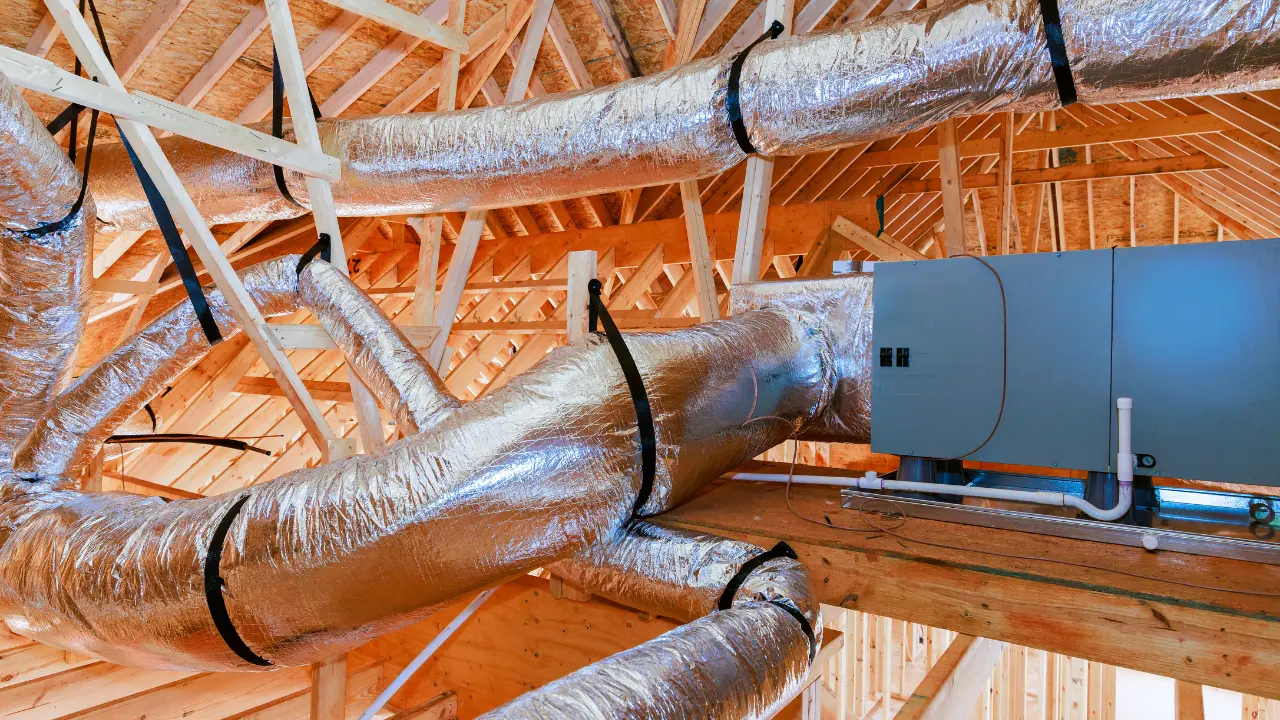
HVAC ductwork is a network of enclosed passages that distributes air throughout your home. These air ducts are typically hidden behind walls, above ceilings, beneath floors, or inside attics and crawl spaces.
A complete ductwork system includes several components working together, including:
- Supply ducts
- Return ducts
- Supply vents
- Return vents
- Registers and grilles
- Dampers
- Plenums
- Insulated duct sections
Each component plays an important role in moving air efficiently while maintaining comfort and energy efficiency.
What Is the Purpose of Ductwork?
The primary purpose of ductwork is to distribute heated and cooled air throughout your home while returning indoor air back to your HVAC system for reconditioning.
Think of your ductwork as your HVAC system’s delivery network.
After your furnace or air conditioner conditions the air, your ducts transport it to each room through supply vents. At the same time, return ducts pull air back to the HVAC system, where it’s filtered and conditioned again before beginning another cycle.
A properly functioning duct system helps:
- Deliver consistent heating and cooling throughout your home
- Maintain balanced airflow
- Improve energy efficiency
- Support healthy indoor air quality
- Reduce unnecessary strain on your HVAC equipment
Without ductwork, central heating and air conditioning simply wouldn’t be able to provide whole-home comfort.
How Does Ductwork Work?
Understanding how ductwork works can help you better understand your home’s heating and cooling system.
Here’s what happens during a normal heating or cooling cycle:
Step 1: Your HVAC System Conditions the Air
Your furnace heats the air during winter, while your air conditioner cools the air during summer.
Step 2: Supply Ducts Carry the Air
Once the air reaches the desired temperature, a blower motor pushes it into the supply ducts.
These ducts transport conditioned air throughout your home.
Step 3: Air Enters Each Room
The conditioned air exits through supply vents or registers located in different rooms.
The placement of these vents is carefully designed to provide even heating and cooling.
Step 4: Return Vents Pull Air Back
After circulating through your home, the air eventually reaches return vents.
These returns don’t create airflow. They simply allow air to travel back to your HVAC system.
Step 5: The Cycle Begins Again
The returning air passes through your HVAC filter, where dust and airborne particles are captured before the air is heated or cooled again.
This continuous cycle keeps your home comfortable year-round.
What Are The Main Parts of a Ductwork System?
Although ductwork may seem simple, several components work together to move air efficiently.
The main parts that make up your ductwork system include the supply ducts, return ducts, supply registers, return grilles, dampers, and plenums.
1. Supply Ducts
Supply ducts carry conditioned air away from your furnace or air conditioner and deliver it throughout your home.
They’re responsible for bringing warm or cool air into each room.
2. Return Ducts
Return ducts bring indoor air back to your HVAC system so it can be filtered and conditioned again.
Without properly sized return ducts, airflow becomes restricted, making your HVAC system work harder than necessary.
3. Supply Registers
Supply registers are the adjustable vents where heated or cooled air enters each room.
Many allow you to direct airflow, although completely closing multiple registers can negatively affect system performance.
4. Return Grilles
Return grilles cover the openings where air flows back into your HVAC system.
Unlike supply registers, return grilles usually aren’t adjustable. This is also where your air filter may live, depending on the type of system you have.
5. Dampers
Dampers are small valves inside your ductwork that help regulate airflow to different areas of your home.
They’re commonly used in zoned HVAC systems, allowing different areas of the home to maintain different temperatures.
6. Plenums
Plenums are large air distribution boxes connected directly to your furnace or air handler.
One plenum distributes conditioned air into the supply ducts, while another collects returning air from the return ducts.
3 Main Types of HVAC Ductwork
Not every home uses the same type of ductwork. Depending on the home’s age, design, and HVAC installation, your ducts may be made from several different materials, such as sheet metal, fiberglass, or flexible ductwork.
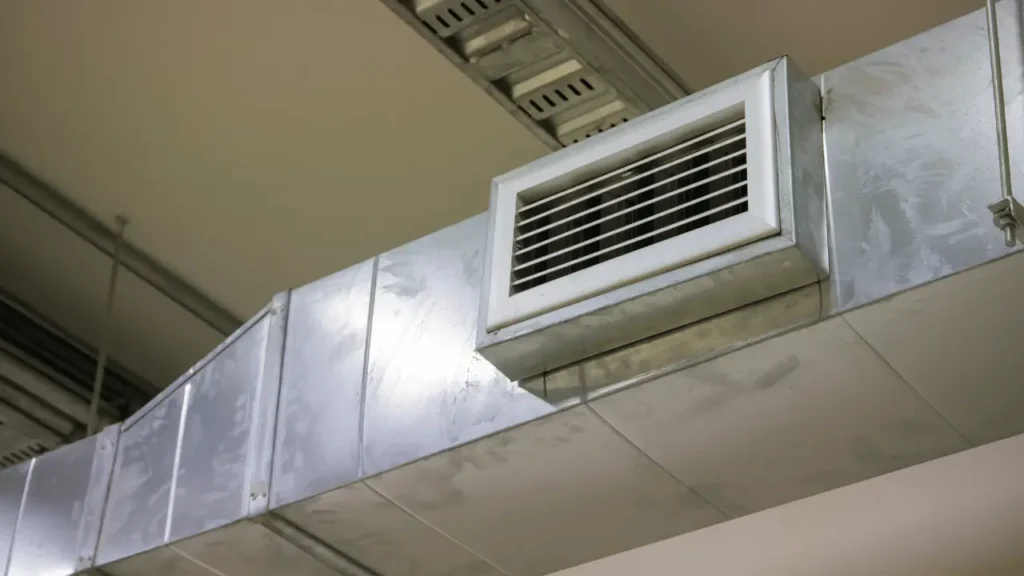
1. Sheet Metal Ductwork
Sheet metal ducts are among the most durable and commonly recommended options.
Benefits include:
- Long lifespan
- Excellent airflow
- Easy to clean
- Resistant to mold growth
- Highly durable
They’re commonly found in newer homes and commercial buildings.
2. Flexible Ductwork
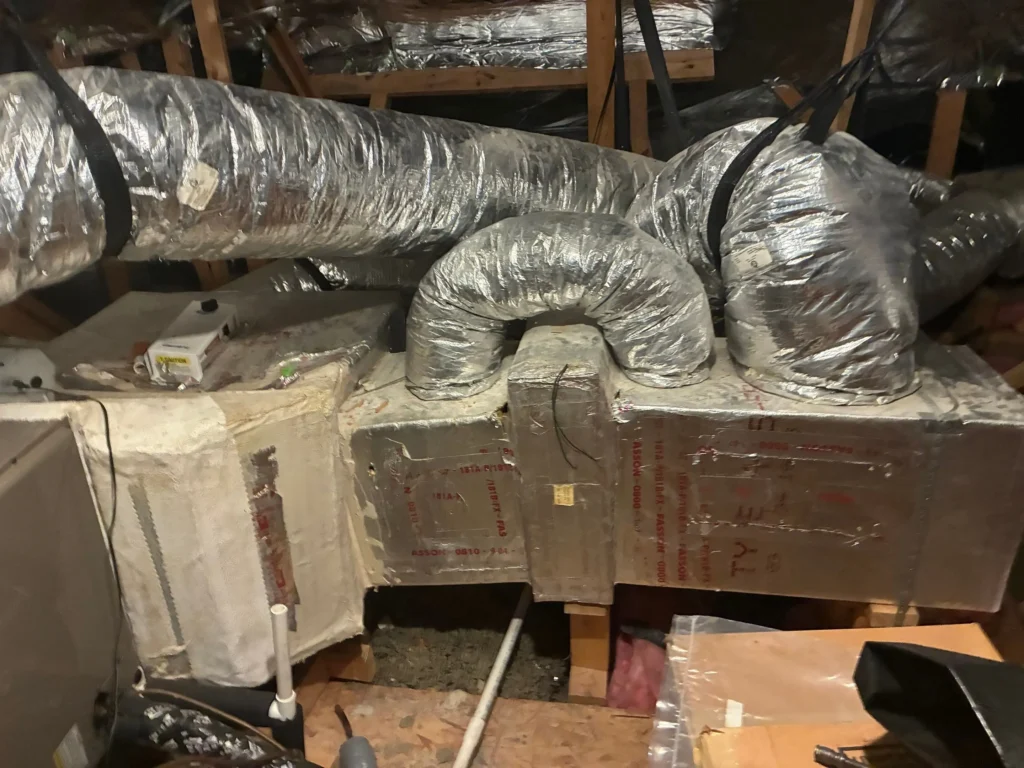
Flexible ducts, often called flex ducts, consist of a wire coil covered with insulated plastic.
They’re popular because they’re:
- Less expensive
- Easier to install
- Ideal for tight spaces
- Lightweight
However, improper installation can reduce airflow if the duct becomes kinked, compressed, or excessively long.
3. Fiberglass Duct Board
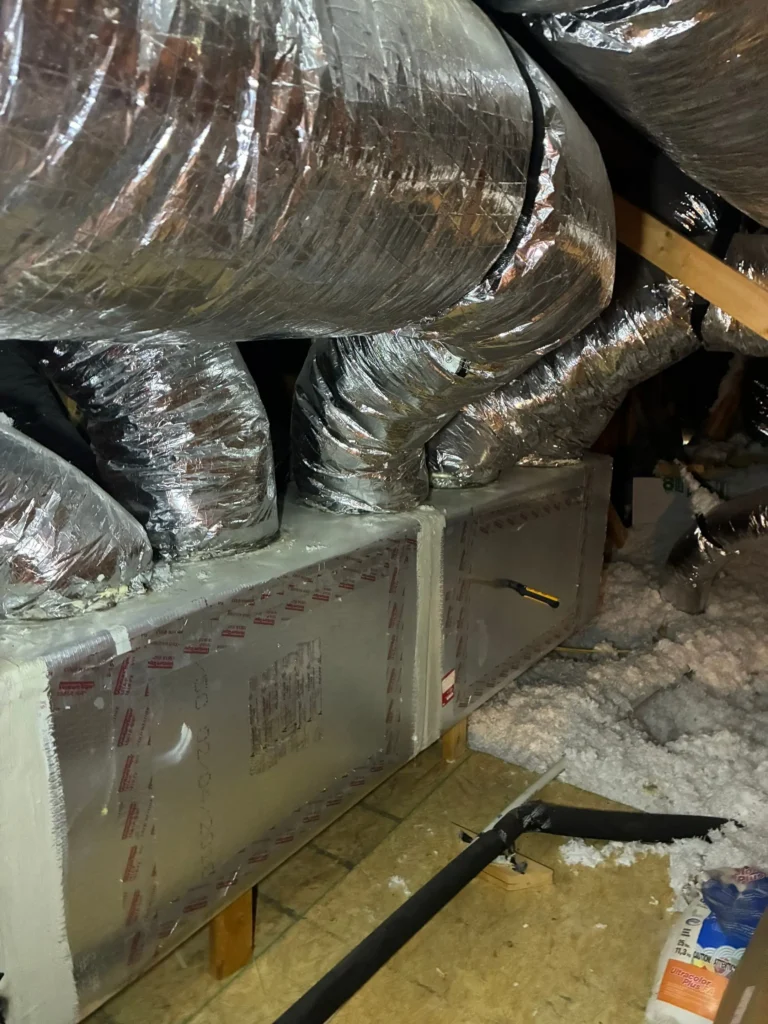
Fiberglass duct board combines insulation and air distribution into one product.
Advantages include:
- Good thermal insulation
- Reduced noise
- Lower installation costs in some applications
Because fiberglass can trap dust and moisture if damaged, proper installation and maintenance are important.
Which Type of Ductwork Is Best?
There’s no single “best” type of ductwork for every home.
The ideal duct material depends on several factors, including:
- Your home’s layout
- Your HVAC system
- Budget
- Energy efficiency goals
- Available installation space
A qualified HVAC professional can recommend the best ductwork design for your home’s specific needs.
Why Properly Designed Ductwork Matters
Your ductwork does much more than move air from one place to another. It plays a major role in how comfortable your home feels, how efficiently your HVAC system operates, and even the quality of the air you breathe.
Even if you’ve invested in a high-efficiency furnace or air conditioner, damaged or poorly designed ductwork can prevent your system from performing as intended.
Here’s why quality ductwork matters.
Consistent Comfort Throughout Your Home
One of the biggest jobs of your ductwork is distributing conditioned air evenly throughout your home.
When your ducts are properly sized, sealed, and balanced, each room receives the airflow it needs to maintain a comfortable temperature.
If your ductwork is leaking, undersized, or improperly designed, you may notice:
- Hot and cold spots
- Upstairs rooms that are warmer than downstairs
- Rooms that never seem to reach the thermostat setting
- Uneven airflow from room to room
A properly functioning duct system helps eliminate these comfort issues by delivering air where it’s needed most.
Better Energy Efficiency
According to the U.S. Department of Energy, leaky or poorly insulated ductwork can waste a significant amount of the heated or cooled air your HVAC system produces.
When conditioned air escapes into your attic, crawl space, or walls instead of reaching your living spaces, your HVAC system has to run longer to make up for the lost air.
Properly sealed ductwork can help:
- Lower energy bills
- Reduce energy waste
- Improve overall HVAC efficiency
- Maximize the performance of high-efficiency heating and cooling equipment
Improved Indoor Air Quality
Your return ducts continuously pull indoor air back to your HVAC system, where it passes through the air filter before being redistributed.
If your ductwork develops leaks, it may pull in dust, insulation fibers, attic debris, or other airborne contaminants before the air reaches your filter.
Keeping your ductwork properly sealed and maintained can help support cleaner indoor air and improve the effectiveness of your HVAC filtration system.
Less Wear and Tear on Your HVAC System
Restricted airflow forces your furnace or air conditioner to work harder than necessary.
Over time, this additional strain can contribute to:
- Longer run times
- Increased utility costs
- Premature component wear
- More frequent repairs
- Shorter equipment lifespan
Healthy ductwork helps your HVAC system move air efficiently, reducing unnecessary stress on critical components like the blower motor and compressor.
What Are Some Common Ductwork Problems and How Do They Affect My HVAC System?
Like any part of your home, ductwork can develop problems over time. Some issues happen gradually as your home ages, while others stem from poor installation or damage during renovations.
Understanding these common problems can help you recognize when it’s time to schedule an inspection.
1. Air Leaks
Air leaks are one of the most common ductwork issues.
Small gaps, loose joints, or disconnected sections allow conditioned air to escape before it reaches your living spaces.
Even relatively small leaks can reduce airflow and increase energy costs. Professional duct sealing can help restore lost efficiency for minor air leaks, but major air leaks may warrant a full duct replacement.
2. Poor Duct Insulation
Ducts that pass through unconditioned areas like attics, garages, or crawl spaces should be properly insulated.
Without insulation, heated or cooled air can lose its temperature before reaching your rooms, making your HVAC system work harder to reach the desired temperature on your thermostat.
3. Improper Duct Sizing
Bigger isn’t always better, and neither is smaller.
If your ductwork wasn’t properly designed for your home’s size and HVAC equipment, airflow problems can occur.
Improperly sized ducts may lead to:
- Weak airflow
- Noisy operation
- Uneven temperatures
- Reduced HVAC efficiency
4. Crushed or Disconnected Flexible Ducts
Flexible ductwork is common in many homes, but it must be installed correctly.
Sharp bends, crushed sections, or disconnected ducts can dramatically reduce airflow to parts of your home.
5. Dirty Ductwork
Over time, dust and debris can accumulate inside your duct system.
While a light coating of dust is generally normal, excessive buildup, moisture, mold growth, or pest activity should be evaluated by an HVAC professional.
6. Aging Ductwork
Most ductwork isn’t designed to last forever. As ducts age, seals can deteriorate, insulation can break down, and materials may become damaged or corroded.
Older duct systems often benefit from repairs, sealing, or complete replacement depending on their condition.
Top Signs Your Ductwork May Need Attention
Many homeowners assume airflow problems are caused by the air conditioner or furnace when the real issue is hidden inside the ductwork.
Here are some common warning signs that your ducts should be inspected.
1. Uneven Temperatures
If one room is always warmer or cooler than the rest of your home, your ductwork may not be distributing air properly.
2. Weak Airflow
If little air comes out of certain vents even when your HVAC system is running normally, you could have leaking, blocked, or damaged ducts.
3. Rising Energy Bills
A sudden increase in utility costs without a change in weather or energy usage could indicate air loss within your duct system, causing your HVAC system to work harder and use more energy.
4. Excessive Dust
If your home seems dusty shortly after cleaning, leaky return ducts may be pulling dust and debris from unconditioned spaces into your HVAC system. Check your air filter first to see if it needs replacing.
5. Noisy Ducts
While some expansion and contraction noises are normal, loud banging, rattling, whistling, or popping sounds may indicate loose connections, airflow restrictions, or improperly sized ductwork.
6. Poor Indoor Comfort
If your HVAC system runs constantly but your home still doesn’t feel comfortable, your ductwork may be preventing conditioned air from reaching every room efficiently.
Can Damaged Ductwork Affect Your HVAC System?
Absolutely.
Your HVAC equipment is designed to operate with a specific amount of airflow. When your ductwork restricts or loses that airflow, your heating and cooling system must work much harder to maintain your desired temperature.
Over time, this can contribute to:
- Reduced heating and cooling capacity
- Frozen air conditioner evaporator coils
- Furnace overheating
- Increased repair costs
- Higher energy bills
- Shorter equipment lifespan
In many cases, improving the ductwork can significantly improve the overall performance of your heating and cooling system without replacing the equipment itself.
Should You Repair or Replace Your Ductwork?
The answer depends on the condition of your existing duct system.
Ductwork May Need Repaired If:
- The leaks are minor.
- Only one section is damaged.
- Connections have come loose.
- Insulation needs to be replaced.
- Airflow simply needs balancing.
Replacement May Be the Better Option If:
- Your ductwork is 20 to 25 years old or older.
- Multiple sections are leaking.
- There is extensive rust or corrosion.
- Microbial growth is widespread.
- The duct system was improperly designed from the beginning.
- You’re replacing your HVAC system and want to maximize its efficiency.
A professional duct inspection can help determine whether repairs or replacement will provide the best long-term value for your home.
How Often Should Ductwork Be Inspected?
Unlike your HVAC equipment, ductwork doesn’t require annual replacement or frequent servicing. However, periodic inspections can help identify hidden issues before they become expensive repairs.
Most HVAC professionals recommend having your ductwork inspected every 3 to 5 years, or sooner if you notice:
- Uneven temperatures
- Weak airflow
- Unusually high utility bills
- Excessive dust
- Strange noises coming from your vents
- Damage from remodeling, pests, or severe weather
Routine inspections can identify leaks, disconnected ducts, insulation issues, and airflow problems that may otherwise go unnoticed for years.
Ensuring Your Ductwork Is Efficient and Keeping Your Home Healthy
Now that you have a full understanding of the function of your ductwork, how it works, what to watch out for in damaged ducts, and how inefficient ductwork can affect your HVAC system, you know the important role ductwork plays in the comfort of your home, from delivering heated and cooled air to maintaining healthy airflow and improving energy efficiency.
Your ductwork may be out of sight, but it should never be out of mind.
If your ductwork is leaking, damaged, poorly designed, or simply showing its age, it can affect everything from your monthly energy bills to the performance and lifespan of your HVAC system.
However, many ductwork issues can be identified and corrected before they lead to more costly repairs or unnecessary equipment replacement.
Whether you’re dealing with uneven temperatures, weak airflow, excessive dust, or you’re just curious about the condition of your home’s ductwork, having it professionally evaluated can provide valuable peace of mind for your home’s health and comfort.
At Wright Home Services, we believe your comfort starts with a healthy HVAC system, and that includes the ductwork hidden behind your walls and ceilings.
Our certified technicians can inspect your duct system, identify leaks or airflow issues, and recommend practical solutions to improve your home’s comfort and efficiency.
If you’re wondering whether your ductwork is helping or hurting your HVAC system, we’re here to help.
Contact Wright Home Services today to schedule your free duct evaluation and let our team make sure your home is getting the comfort it deserves!