
In this article…
- How Ductwork Problems Affect HVAC: 12 Common Issues
- How Can You Tell If Your Ductwork Has a Problem?
- Repair vs. Replace Ductwork: Which is Best?
- Best Ways to Prevent Future Ductwork Problems
- Keep Your Home Comfortable with Healthy Ductwork
If you’ve noticed certain rooms never seem to get comfortable, your energy bills continue to climb, or your HVAC system runs longer than it should, your air conditioning unit may not be the problem.
The real issue could be hidden inside your home’s ductwork.
Your ductwork, also known as your air ducts, are responsible for transporting heated and cooled air from your HVAC system to every room in your home.
When those ducts become damaged, disconnected, or restricted, your entire HVAC system has to work harder to keep your home comfortable.
At Wright Home Services, we’ve seen firsthand how common duct problems can impact comfort, efficiency, and indoor air quality.
The good news is that many of these issues can be identified and corrected before they lead to more expensive repairs, and we’re here to help.
Here’s a look at the most common problems we find with residential ductwork, how they affect your HVAC system and home’s comfort, and what to do about them.
How Ductwork Problems Affect HVAC: 12 Common Issues
Your HVAC system is only as effective as the ductwork delivering the air.
Think of your ductwork just like the plumbing in your home. Even if you have a brand-new system producing plenty of cool air, damaged or poorly designed ducts can prevent that air from reaching the rooms where you need it.
Problems with your ductwork can lead to:
- Uneven temperatures throughout your home
- Higher energy bills
- Longer HVAC run times
- Reduced comfort
- Increased wear on your heating and cooling equipment
- Poor indoor air quality
Because most ductwork is hidden in your attic, walls, or crawl space, many homeowners don’t realize there’s a problem until the symptoms become impossible to ignore.
To better help you understand how your ductwork’s condition impacts your HVAC system, here are 12 of the most common air duct issues you may have experienced.
1. Leaky Ductwork
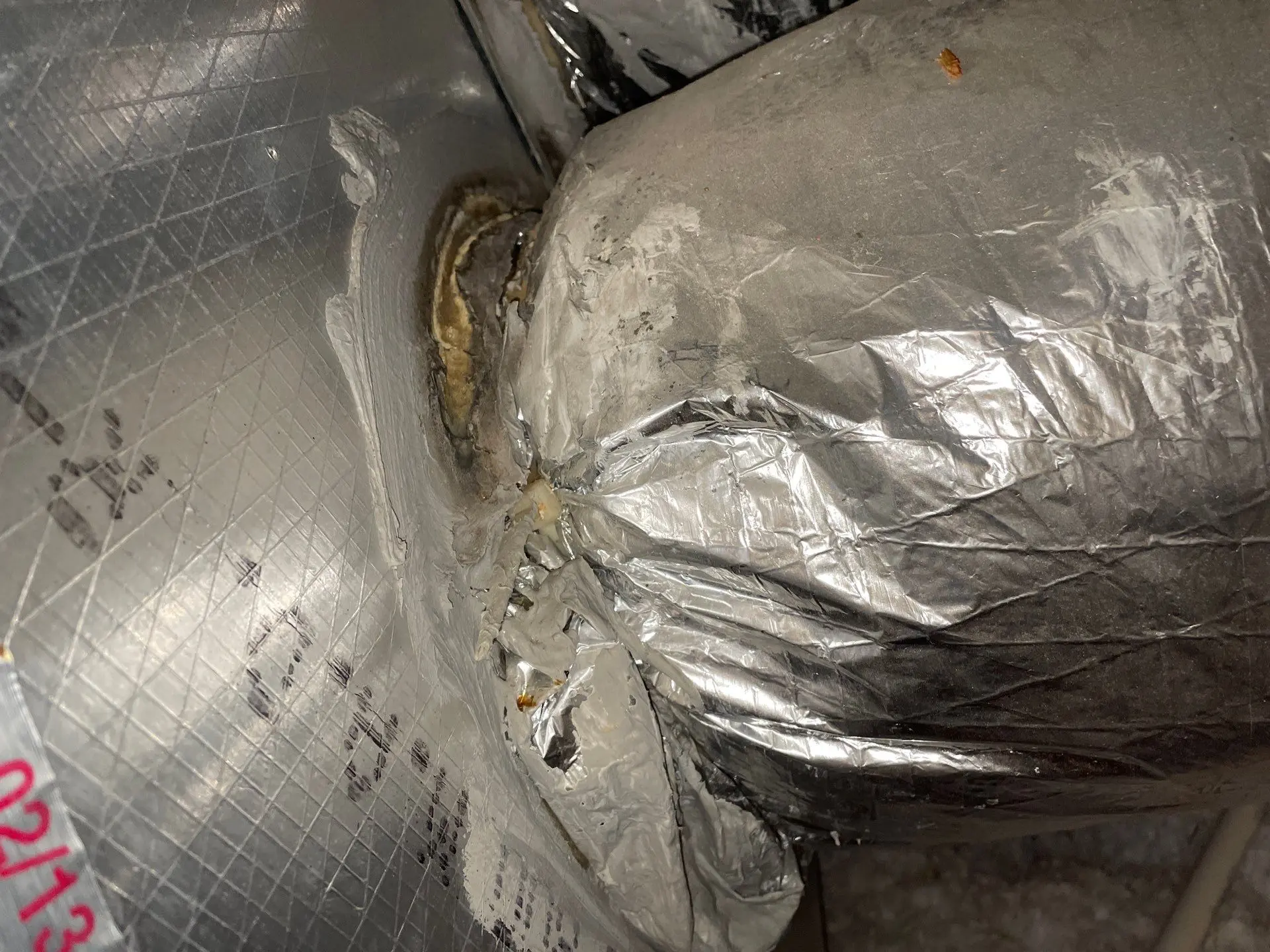
One of the most common duct problems is air leakage.
Over time, the joints and connections in your duct system can loosen, seals can deteriorate, or flexible ducts can develop tears. When that happens, conditioned air escapes into the attic or crawl space instead of making its way into your home.
Even small leaks can significantly reduce your HVAC system’s efficiency.
Common signs of leaky ductwork include:
- Weak airflow from vents
- Rooms that stay warmer than the rest of the house
- Higher-than-normal utility bills
- Your AC is running longer to maintain temperature
Sealing duct leaks can often improve comfort while reducing energy waste.
Learn more about duct sealant options and which is best for you!
2. Poorly Sealed Duct Connections
Not every air leak comes from a damaged duct.
Many systems simply have poorly sealed connections where sections of ductwork meet. As the sealant ages, small gaps can develop that allow conditioned air to escape.
Some homeowners attempt repairs using traditional cloth-backed duct tape, but despite its name, standard duct tape isn’t designed for long-term HVAC sealing and tends to dry out and fail over time.
Professional duct sealing typically uses specialized mastic sealant or approved HVAC foil tape designed to withstand temperature changes and last much longer.
3. Crushed or Kinked Flexible Ductwork
Many homes in Texas use flexible ductwork in the attic. Although flexible ducts are effective when installed correctly, they can easily become crushed, kinked, or compressed.
Common causes include:
- Someone stepping on the duct while working in the attic
- Heavy storage items resting on the ductwork
- Improper installation
- Animals disturbing the duct system
When airflow is restricted, your HVAC system has to push harder to move air throughout the home.
You may notice:
- One room receiving very little airflow
- Certain areas never cooling properly
- Whistling sounds from vents
- Reduced overall system efficiency
4. Disconnected Ductwork
Occasionally, a section of ductwork becomes completely disconnected. This often happens after years of expansion and contraction, attic work by other contractors, storm damage, or animal activity.
When a duct separates, conditioned air is dumped directly into the attic instead of reaching your living space.
Signs of a disconnected duct include:
- A room that suddenly won’t cool at all
- Extremely weak airflow from one or more vents
- Higher cooling costs
- Your HVAC system running almost constantly
Fortunately, reconnecting ductwork is often a straightforward repair when caught early.
5. Dirty Ductwork
It’s normal for a small amount of dust to collect inside your ductwork over time. However, excessive buildup can become a problem, especially after home renovations, pest infestations, or years of neglected maintenance.
Your ductwork may accumulate:
- Dust
- Pet hair
- Construction debris
- Insulation particles
- Other airborne contaminants
While duct cleaning isn’t necessary for every home, it may be worth considering if you’ve recently completed remodeling projects, discovered rodents in the attic, or notice excessive debris blowing from your vents.
Read more about if professional duct cleaning is worth it and its benefits!
6. Poor Duct Design
Sometimes the issue isn’t even damage. It’s how the duct system was designed in the first place.
If your ductwork wasn’t properly designed when your home was built, your HVAC system may struggle to distribute air evenly throughout the house.
Examples of poor duct design include:
- Long duct runs
- Too many sharp bends
- Poor airflow balancing
- Inefficient routing
Poor duct design can cause:
- Hot and cold spots
- Uneven cooling
- Constant thermostat adjustments
- Reduced comfort throughout the home
In many cases, modifying portions of the duct system can dramatically improve airflow.
7. Improperly Sized Ductwork
Just as an HVAC system needs to be properly sized for your home, so does the ductwork connected to it.
If ducts are too small, they restrict airflow and force the equipment to work harder. If they’re too large, airflow can become sluggish and less effective.
Improperly sized ducts can contribute to:
- Poor airflow
- Noisy vents
- Uneven temperatures
- Reduced system efficiency
- Increased equipment wear
Proper duct sizing is based on your home’s layout, airflow requirements, and HVAC equipment, not just the size of the existing ducts.
8. Poorly Insulated Ductwork
In San Antonio, attic temperatures can easily exceed 130°F during the summer.
If your ductwork isn’t properly insulated, the cool air traveling through it can absorb heat before it ever reaches your living space.
This can lead to:
- Warmer air coming from supply vents
- Longer cooling cycles
- Higher utility bills
- Reduced comfort during extreme heat
Damaged insulation can also contribute to condensation, which may lead to moisture-related issues if left unaddressed.
9. Rodent or Pest Damage
Attics can become attractive nesting areas for rodents and other pests.
Unfortunately, animals often chew through flexible ductwork, tear insulation, or build nests inside damaged sections of the duct system.
Signs of pest-related duct damage include:
- Strange odors
- Scratching noises in the attic
- Reduced airflow
- Visible insulation or debris near vents
If pests have damaged your ductwork, it’s important to repair the ducts after addressing the infestation to prevent ongoing air loss and contamination.
10. Moisture or Microbial Growth
Moisture is a common underlying problem in and around your ductwork and even air vents.
High humidity, poor insulation, condensation, or water intrusion can create conditions where microbial growth may develop on or around portions of the duct system.
If you notice musty odors, dark, visible growth, or signs of moisture around your HVAC system, it’s important to identify and correct the source of the moisture rather than simply cleaning the affected area.
A professional HVAC technician can help determine whether the issue is related to your ductwork, insulation, or another part of your home’s HVAC system and provide the proper solution.
11. Aging or Deteriorating Ductwork
Like every part of your HVAC system, ductwork doesn’t last forever. Over time, ductwork can begin to deteriorate due to age, heat, humidity, and normal wear and tear.
Older duct systems may develop:
- Brittle flexible duct material
- Sagging sections
- Failing insulation
- Loose connections
- Worn seals
For example, Owl flex ductwork was a popular duct manufacturer in the 1970s and ‘80s that is more of a plastic outer wrapping rather than foil. Over time, this material deteriorates, dropping the insulation from the flex tubing, causing the air to warm up considerably by the time it makes it into the home.
So, if your ductwork is several decades old and experiencing multiple issues, replacing sections (or even the entire system) may be more cost-effective than making repeated repairs.
Read more about replacing versus repairing ductwork!
12. Blocked or Closed Supply Vents
Not every airflow problem starts inside the attic. Sometimes the issue is much simpler.
Furniture, rugs, curtains, or intentionally closed supply registers can restrict airflow throughout your home.
While it may seem like closing vents saves energy, doing so can actually disrupt airflow balance and make your HVAC system work harder.
Keeping supply vents open and unobstructed helps your system distribute air as it was designed.
How Can You Tell If Your Ductwork Has a Problem?
Many duct problems develop gradually, making them easy to put off.
If you’re experiencing any of the following symptoms, your ductwork may be worth having inspected:
- One room is consistently hotter or colder than the rest of the home
- Weak airflow from one or more vents
- Higher energy bills without an obvious explanation
- Excessive dust inside your home
- Whistling or rattling noises from vents
- Musty odors when your HVAC system runs
- Your air conditioner seems to run constantly
- Allergy symptoms seem worse indoors
A professional duct inspection can identify hidden issues that aren’t visible from inside your living space.
Repair vs. Replace Ductwork: Which is Best?
Not every duct problem requires replacement.
Minor issues like a disconnected section, a small air leak, or damaged insulation can often be repaired without replacing the entire duct system.
However, replacement may be the better long-term solution if:
- Your ductwork has multiple leaks.
- The system was poorly designed or improperly sized.
- Large sections are crushed or deteriorating.
- Your ducts are more than 20 to 30 years old.
- You’re experiencing widespread comfort problems throughout your home.
An experienced HVAC professional can evaluate the condition of your ductwork and recommend the most practical solution for your home and budget.
Best Ways to Prevent Future Air Duct Problems
While some wear is inevitable, a few simple maintenance habits can help your ductwork last longer and perform more efficiently.
To keep your ductwork in its best shape and functioning efficiently…
- Replace your HVAC air filter regularly.
- Schedule routine HVAC maintenance.
- Avoid storing heavy items on attic ductwork.
- Keep pests out of your attic.
- Address roof or plumbing leaks quickly.
- Have your ductwork inspected if you notice uneven temperatures or weak airflow.
Routine inspections can catch small problems before they become costly repairs, which is why we recommend at least two seasonal HVAC tune-ups to ensure your entire system continues to keep you comfortable.
Keep Your Home Comfortable with Healthy Ductwork
Your air ducts play a major role in your home’s comfort, efficiency, and indoor air quality. Even if your air conditioner is working properly, damaged or poorly performing ductwork can prevent your home from feeling as comfortable as it should.
If you’ve noticed uneven cooling, weak airflow, rising energy bills, or other signs of duct problems, start with a visual inspection.
Any gaps, tears, excessive dust, or signs of microbial growth should be addressed quickly, before they become worse.
At Wright Home Services, we offer free duct evaluations to help you identify hidden issues affecting your HVAC system’s performance.
Whether your ductwork needs a simple repair, sealing, or a more comprehensive solution, our team can help you understand your options and restore comfort to your home.
If you see any visual deterioration in your ductwork, scheduling a professional inspection is the best next step to repairing (or possibly replacing) your ductwork to improve your HVAC efficiency and home comfort.
But before reaching out to an HVAC company, you want to learn more about whether you need ductwork repair or replacement.
Check out this article that compares ductwork repair versus replacement, signs you may need one or the other, and which is best for you.