In this article…
- Should You Have Your Heater Checked Before Turning It On?
- Why Is a Pre-Season Heater Check-Up Important?
- What Happens During a Professional Heater Check-Up?
- Is It Safe to Turn My Heater On Without an Inspection?
- 5 Things to Do Before Turning Your Heater On for the First Time
- What Are Some Common Signs My Heater Needs Professional Attention?
- Get Ahead of the Cold With Wright Home Services
After months of running your air conditioner through the Texas heat, the last thing you’re probably thinking about is turning on your heater.
But when that first cold front finally makes its way to San Antonio, you want to know your heating system is ready to keep your home comfortable.
If your heater hasn’t been used since last winter, you might wonder whether you need to have it inspected before turning it on again (and if it’s worth it).
While you don’t necessarily need a professional inspection every time you turn your heater on, scheduling an annual heater check-up before the heating season is a good idea.
At Wright Home Services, we’ve been helping San Antonio homeowners protect their comfort and peace of mind year-round since 1979, offering professional system checkups, full system replacements, and indoor air quality solutions.
We understand that before scheduling any sort of HVAC service, you want to understand why you need it and how it will benefit you.
This article will explain why a pre-season heater check-up matters, what you can safely check yourself, and how to prepare your system for cooler weather.
Should You Have Your Heater Checked Before Turning It On?
Generally, yes. Having your heating system professionally inspected once a year is a recommended part of routine HVAC maintenance.
Your heater may sit unused for several months, but that doesn’t mean it’s automatically ready to operate when temperatures drop.
During that time, dust can accumulate, components can deteriorate, and existing issues may go unnoticed until the system is running again.
A professional heater check-up allows an HVAC technician to evaluate your system, identify potential problems, and make sure it’s operating properly before you need to rely on it.
However, that doesn’t mean you should be afraid to turn your heater on without an inspection. Many properly maintained heating systems can be started safely after months of inactivity.
A pre-season check-up is simply a proactive way to reduce the risk of unexpected problems.
Why Is a Pre-Season Heater Checkup Important?
There are several reasons to schedule heating maintenance before the cooler months arrive.
1. Identify Potential Safety Concerns
Heating systems, particularly gas furnaces, have components that need to operate correctly to heat your home safely.
During an inspection, a technician can check important safety features, examine the condition of the equipment, and look for signs of potential problems.
For gas heating systems, this may include checking combustion, venting, gas connections, and other components that could present safety concerns if they aren’t functioning properly.
2. Catch Problems Before They Cause a Breakdown
Imagine waking up to the first colder morning of the year, turning on your heater, and realizing it isn’t working.
A pre-season inspection can help identify worn components, electrical issues, airflow restrictions, or other problems before they lead to a breakdown.
While maintenance can’t prevent every repair, it can reduce the chances of being surprised by an issue when you need your heater most.
3. Help Your System Run Efficiently
A heating system that isn’t operating properly may use more energy than necessary to maintain a comfortable temperature.
Dirty filters, restricted airflow, and malfunctioning components can affect heating performance.
Routine maintenance helps ensure your system is operating as intended, potentially reducing unnecessary energy consumption.
4. Extend the Lifespan of Your Heating System
Your HVAC system is a significant investment in your home. Just like a vehicle, it benefits from regular inspections and maintenance.
Identifying small problems early and keeping components in good working condition helps reduce unnecessary wear and extend the useful life of your equipment.
What Happens During a Professional Heater Check-Up?
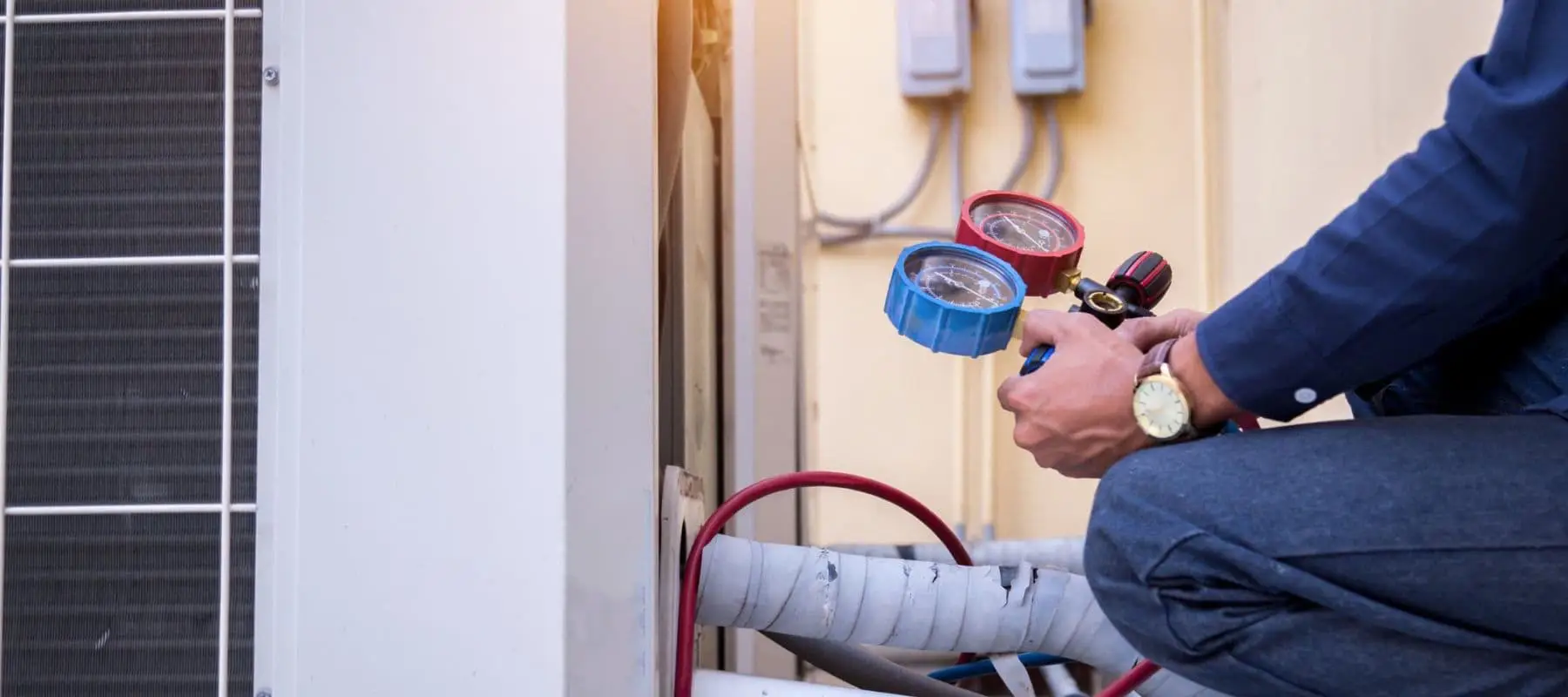
A professional heating inspection involves more than simply turning the system on and making sure warm air comes through your vents.
While the exact inspection process depends on the type of heating equipment you have, a technician may:
- Inspect electrical connections and components.
- Check thermostat operation and system controls.
- Examine the blower motor and airflow.
- Inspect the condition of the air filter.
- Test heating operation and temperature performance.
- Evaluate safety controls and shutoff mechanisms.
- Inspect burners, ignition components, and venting on applicable gas systems.
- Check for signs of wear, damage, or potential problems.
For homes with heat pumps, the inspection may also include evaluating the reversing valve, refrigerant circuit, defrost operation, and auxiliary heating components.
A professional check-up helps provide a better understanding of your system’s condition and whether anything needs attention before the heating season.
Still need to check on your heater before winter hits? Schedule your $44 heater checkup with Wright Home Services today!
Is It Safe to Turn My Heater On Without an Inspection?
In many cases, yes.
If your heating system was operating normally last season, has been maintained regularly, and isn’t showing signs of damage or malfunction, you can generally turn it on without scheduling an inspection first.
However, you should pay attention to how the system operates when it starts.
For example, it’s relatively common to notice a temporary burning smell the first time you turn on your heater after several months.
This often happens because accumulated dust is burning off heated components. (The smell should typically disappear after a short period.)
However, a strong or persistent burning smell, smoke, unusual noises, or a gas odor should never be ignored.
If you notice these warning signs, turn off the heating system when safe to do so and contact your professional HVAC company. If you smell natural gas, leave the building immediately and contact your gas utility or emergency services from a safe location.
5 Things to Do Before Turning Your Heater On for the First Time
There are a few simple things you can do to prepare your heating system for cooler weather before a cold snap hits.
1. Replace or Inspect Your Air Filter
A dirty air filter can restrict airflow and affect heating performance.
Check your filter before the heating season begins and replace it if necessary.
2. Check Your Thermostat
Switch your thermostat from cooling to heating mode and set the temperature a few degrees above the current indoor temperature.
Listen for your system to start and check whether warm air begins coming through your vents.
3. Make Sure Your Vents Are Clear
Furniture, rugs, and other household items can block supply or return vents.
Make sure airflow isn’t being restricted throughout your home.
4. Test Your Smoke and Carbon Monoxide Detectors
Before using your heating system, make sure your smoke detectors and carbon monoxide alarms are working properly.
Carbon monoxide alarms are especially important in homes with gas appliances.
5. Pay Attention to Unusual Smells or Sounds
When you turn your heater on, listen for unusual rattling, banging, or squealing.
A brief dusty smell may be normal, but persistent odors or unusual noises can indicate an issue that needs professional attention.
What Are Some Common Signs My Heater Needs Professional Attention?
Even if your heating system appears to be working, certain warning signs may indicate that something isn’t operating properly.
Contact an HVAC professional if you notice:
- Your heater turns on but doesn’t produce enough warm air.
- The system repeatedly turns on and off after short periods.
- Unusual banging, grinding, or squealing noises.
- A persistent burning or electrical smell.
- Certain rooms aren’t heating properly.
- The system struggles to reach the thermostat setting.
- Your heating bills increase unexpectedly.
If your carbon monoxide alarm sounds, leave the home and contact emergency services. Do not continue operating the heating equipment until it has been evaluated and cleared for use.
Get Ahead of the Cold With Wright Home Services
We all know San Antonio weather can be unpredictable, but preparing your home for cooler temperatures doesn’t have to be.
At Wright Home Services, we help San Antonio homeowners take care of their heating and cooling systems with professional maintenance, honest recommendations, and reliable service, so you can rest easy knowing your home feels Wright all year long.
Our $44 heater check-up is designed to help identify potential problems before they turn into unexpected repairs, so you can feel more confident about your home’s comfort when temperatures drop.
Whatever the forecast brings, stay ahead of it.
Schedule your $44 heater check-up with Wright Home Services today!