In this article…
- What is the Average Lifespan of an HVAC System?
- What Factors Affect the Lifespan of an HVAC System?
- Why New HVAC Systems Don’t Last as Long as Older Ones
- Signs Your HVAC System May Be Near the End of Its Life
- Can You Extend the Lifespan of Your HVAC System?
- When to Repair vs. Replace Your HVAC System
- Is It Time to Replace My HVAC System?
As a San Antonio homeowner, you know how hard your HVAC system has to work to keep up with the changing (and sometimes unpredictable) weather.
With long, hot summers and humidity that often stretches well into the fall, your air conditioner runs a large portion of the year just to keep your home comfortable.
Whether you’re considering replacing your old HVAC system or just curious how much time you’ve got left, one of the most common questions homeowners have is: how long should an HVAC system actually last?
Most HVAC systems last 12–15 years on average. Furnaces can last 15–20 years, while heat pumps typically last 10–15 years. In hot climates like San Antonio, air conditioners often fall on the lower end due to heavier usage.
San Antonio’s climate also plays a role. Because air conditioning systems in South Texas run longer and harder than systems in milder climates, they tend to experience more wear over time.
But you want to know the why behind the question, which is exactly what we’ll discuss in this article.
Below, we’ll break down the typical lifespan of HVAC systems, what factors affect their longevity, and what you can do to help your system last as long as possible.
What is the Average Lifespan of an HVAC System?
Your HVAC system isn’t just one piece of equipment. It’s made up of several components, and each part has its own expected lifespan.
Average lifespan of HVAC systems and components:
- Air conditioner: 12–15 years
- Furnace: 15–20 years
- Heat pump: 10–15 years
- Ductwork: 20–25 years
- Thermostat: 10+ years
At Wright Home Services, we typically see systems in San Antonio last closer to 10–12 years when maintenance is inconsistent, especially with long cooling seasons.
This isn’t necessarily because the equipment is poor quality, but because the system runs so frequently during the year.
When a system runs longer and more often, its components naturally experience more wear.
You may also have observed or heard that older HVAC systems seem to last much longer than newer ones. In many cases, that’s true, but it’s largely due to changes in technology, efficiency standards, and system design.
This is important to understand to ensure you have realistic expectations for your new HVAC system, especially if your system is well over 15-20 years old.
What Factors Affect the Lifespan of an HVAC System?
Two HVAC systems installed in the same year can age very differently depending on how they’re used and maintained.
Several other key factors also determine how long your system will last, which we’ll outline here.
Top Factors That Affect HVAC Lifespan:
- Installation quality
- Regular maintenance
- How often the system runs
- Airflow and filter condition
- Indoor air quality
- Climate and outdoor conditions
1. Installation Quality
One of the biggest factors affecting the lifespan of an HVAC system is how it was installed. Even high-quality equipment can fail early if it isn’t installed correctly.
A professional installation should include proper system sizing, accurate refrigerant levels, balanced airflow, and well-designed ductwork. If the system is too large or too small for your home, it may cycle improperly or run longer than necessary.
In a hot climate like San Antonio, proper sizing is especially important. An undersized system may struggle to keep up with the heat, forcing it to run almost constantly during the summer, wasting energy and efficiency.
2. Maintenance Schedule
Regular maintenance helps keep your HVAC system running efficiently and prevents small problems from turning into major ones.
During a professional tune-up, a technician will inspect key components, clean the coils, check refrigerant levels, test electrical connections, and make adjustments to keep the system operating properly.
Without maintenance, dirt buildup, worn parts, and small mechanical issues can slowly reduce system performance, shorten its lifespan, and even cause premature failure.
Because HVAC systems in San Antonio run so often, annual maintenance at least twice a year is recommended to help reduce wear and tear.
3. System Usage Habits
The more often your HVAC system runs, the more wear it experiences.
If your home has poor insulation, air leaks, or inefficient windows, your system may run even longer to maintain a comfortable temperature.
Over time, that extra workload can reduce the overall lifespan of the equipment.
4. Airflow and Filter Maintenance
One of the most common issues we see is restricted airflow from dirty filters, which can significantly shorten system lifespan.
Airflow is critical to the health of your HVAC system. When air filters become clogged, airflow is restricted, forcing the system to work harder to move air through the home.
This extra strain can lead to overheating, frozen coils, and increased stress on the blower motor and compressor.
In areas like San Antonio where dust, pollen, and allergens can be common, air filters may need to be replaced more frequently to keep airflow consistent and efficiency at its peak.
5. Indoor Air Quality and Dust
Homes with pets, construction dust, or high levels of outdoor allergens can place additional strain on HVAC systems. Dust and debris can accumulate inside the system and on the coils, reducing efficiency and increasing wear.
Keeping your home clean and maintaining your air filtration system can help protect your HVAC equipment and help it to last as long as possible.
6. Outdoor Conditions
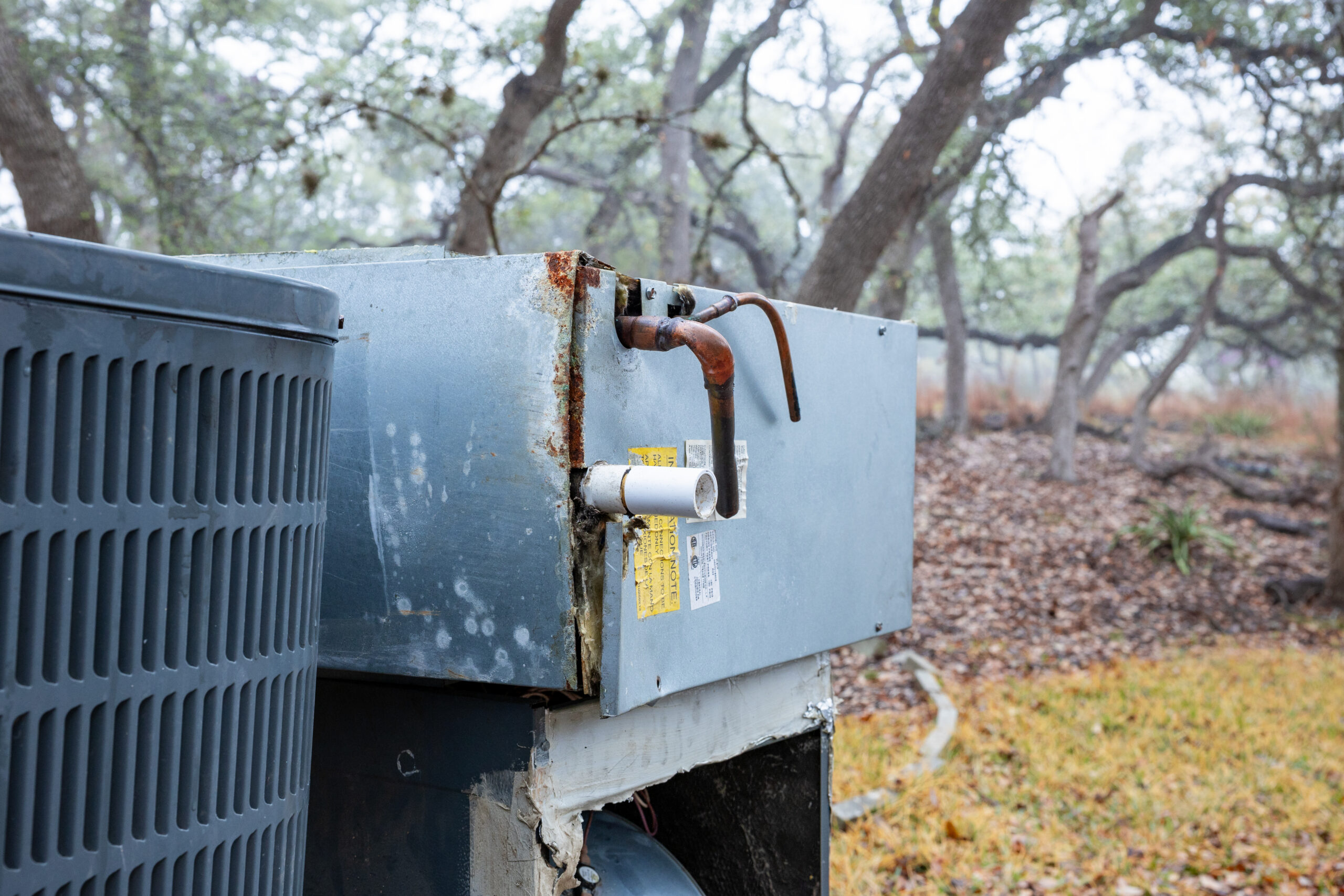
Your outdoor condenser unit is exposed to the elements year-round. In San Antonio, extreme heat, dust, and occasional severe storms can all affect the system.
If the outdoor unit becomes clogged with leaves, dirt, or debris, it can reduce airflow and force the system to work harder to release heat.
Keeping the area around the outdoor unit clear helps improve performance and reduce unnecessary strain, ultimately helping your system last as long as it’s meant to.
Why New HVAC Systems Don’t Last as Long as Older Ones
You may have heard some say (or even feel this yourself), “My old air conditioner lasted 25 years. They just don’t make them like they used to.”
There’s some truth to that statement, but the reason has more to do with changes in engineering and efficiency standards than a decline in quality.
Higher Efficiency Standards
Over the years, government regulations have increased efficiency requirements for HVAC equipment. Modern systems are designed to use less energy and reduce environmental impact.
To achieve higher efficiency ratings, manufacturers often use lighter materials and more precise engineering. While this improves energy performance, it can sometimes reduce overall lifespan compared to older, heavier equipment.
Refrigerant Changes
Environmental regulations have also changed the refrigerants used in HVAC systems. Older systems used refrigerants like R-22, which operated at lower pressures.
Newer refrigerants operate at higher pressures and require different system designs. While they are better for the environment, they can place additional stress on certain system components.
More Advanced Technology
Modern HVAC systems include advanced features such as variable-speed motors, electronic control boards, sensors, and smart thermostats.
These technologies improve comfort, energy efficiency, and indoor temperature control. However, they also introduce more components that can eventually wear out or require replacement.
Efficiency Instead of Overbuilding
Older HVAC systems were often simpler and sometimes built with heavier components. Many systems were also oversized compared to modern equipment.
Today’s systems are engineered to deliver maximum efficiency and comfort rather than being heavily overbuilt. As a result, modern systems may not last as long as some older units, but they typically use far less energy and provide better overall performance.
Signs Your HVAC System May Be Near the End of Its Life
Even well-maintained systems eventually wear out. There are several signs that your HVAC system may be approaching the end of its lifespan.
Here are some of the most common symptoms that indicate you may need an HVAC system replacement soon:
- Frequent repairs are one of the most common indicators. If your system needs service multiple times a year, it may be nearing the point where replacement makes more sense.
- Rising energy bills can also signal declining efficiency. As components wear down, the system has to work harder to produce the same level of comfort.
- Uneven temperatures throughout your home, unusual noises, strange odors, or the system running constantly without reaching the desired temperature are other telltale signs.
- If your system is more than 10 to 15 years old and starting to show these symptoms, it may be time to have it professionally evaluated.
Can You Extend the Lifespan of Your HVAC System?
While there aren’t any HVAC systems out there that can last forever, there are several things you can do to help extend their lifespan.
Changing your air filter regularly is one of the easiest and most effective steps you can take. Most homes should replace filters every one to three months, depending on usage and indoor air quality.
Keeping the outdoor unit clear of debris also helps maintain proper airflow and system performance.
Improving your home’s insulation and sealing air leaks can reduce how hard your HVAC system has to work, which can help reduce wear over time.
Most importantly, scheduling annual professional maintenance can help catch small issues before they turn into major repairs.
When to Repair vs. Replace Your HVAC System
At a certain point, repairing an aging HVAC system may become less practical than replacing it.
If your system is older, requires frequent repairs, and struggles to keep your home comfortable during San Antonio’s hottest months, it may be more cost-effective and worth it to invest in a new system.
Modern HVAC systems are significantly more energy efficient and can provide better comfort, quieter operation, and improved humidity control.
If you’re unsure whether your system still has life left in it, a professional inspection can help you understand your options and make the best decision for your home.
Read more about the most common signs on when you should repair vs. replace your HVAC system!
Is It Time to Replace My HVAC System?
Most HVAC systems last 12–15 years, but heavy usage, poor maintenance, and installation issues can shorten that lifespan. In San Antonio, systems often wear out faster due to long cooling seasons. Regular maintenance and proper airflow can help extend the life of your system.
With this information, you may be thinking, “Is my HVAC system’s time up?”
How Do You Know When to Replace Your HVAC System?
- Your system is over 10–15 years old
- Repairs are becoming more frequent
- Energy bills are increasing
- Your home has uneven temperatures
- Your system struggles to keep up
If your system is over 10 years old, continuing proper maintenance for a few more years may be more worth it for you. But, if you’ve got an older system that continuously needs repairs, it’s probably time to think about a replacement.
If you think your HVAC system is nearing the end of its lifespan, one of the first things you want to know is how much it costs to replace your system. Luckily, we’ve got the answers for you.
Check out this article that outlines how much an HVAC system replacement costs, what factors affect the overall price, and what to consider before replacing your system. Then, you’ll feel even more prepared to find a trustworthy company that will give you the value and care you deserve for your home.