In this article…
- How Long Do HVAC Systems Last?
- 8 Signs Your HVAC System Is Nearing Failure
- The Benefits of Replacing Your HVAC System Before It Fails
- The Hidden Costs of Waiting For A Complete Burnout
- Finding The Right HVAC System For Your Home
Is your HVAC system over 10 years old? Are you noticing a decline in efficiency? Maybe your home isn’t cooling as well as it used to?
It may be time to consider a replacement.
Because your HVAC system is one of the most important systems in your home, you notice when it isn’t doing its job correctly.
So, if you’ve noticed your home hasn’t been feeling as comfortable as it used to, or maybe you’ve had a few repairs performed in the past year or two, you’re probably wondering if it’s just time to get it replaced.
But, is it worth it? Is it time yet? How many more years can you squeeze out of it? These are all valid questions you’re probably wondering.
The truth is, when it comes to an older HVAC system, replacing it before it completely fails is the smart move. However, a new HVAC system is a big investment, so you want to be sure this is the best thing for your family, your home, and your comfort.
This article will answer how long an HVAC system typically lasts, signs it’s nearing the end of its lifespan, why you should replace it before it fails, and more.
How Long Do HVAC Systems Last?
The typical HVAC system lasts between 12-15 years on average. However, some systems may last well beyond 20 years, while others tap out closer to that 12-year mark.
The lifespan of an HVAC system depends on several factors, including:
- The type of equipment
- Size and SEER rating
- Manufacturer
- Installation quality
- Maintenance schedule
- Ductwork quality
- Comfort habits
- And more.
The biggest factors that will most affect the lifespan of your HVAC system are the installation quality and ongoing maintenance.
For example, even if you invest in the highest-quality, most expensive equipment, if it is not installed properly by a trusted professional HVAC company, it will not perform as efficiently as it’s made to.
Additionally, any HVAC system requires routine maintenance, just like any other machine. If your system isn’t properly maintained or small issues go unresolved, your system will not last as long as a system on a routine maintenance schedule.
Understanding what goes into a successful HVAC system replacement and how to properly care for it is one of the first steps to ensuring you invest in the right company for the job and have the confidence it will last.
8 Signs Your HVAC System Is Nearing Failure
If you’re considering replacing your AC system, you want to be sure it will be worth it.
Signs like inconsistent cooling, increased energy bills, frequent repairs, and overall just not feeling comfortable in your home are worth evaluating.
Here are eight common signs your system may be nearing the end of its lifespan.
1. You’re Needing Frequent HVAC Repairs
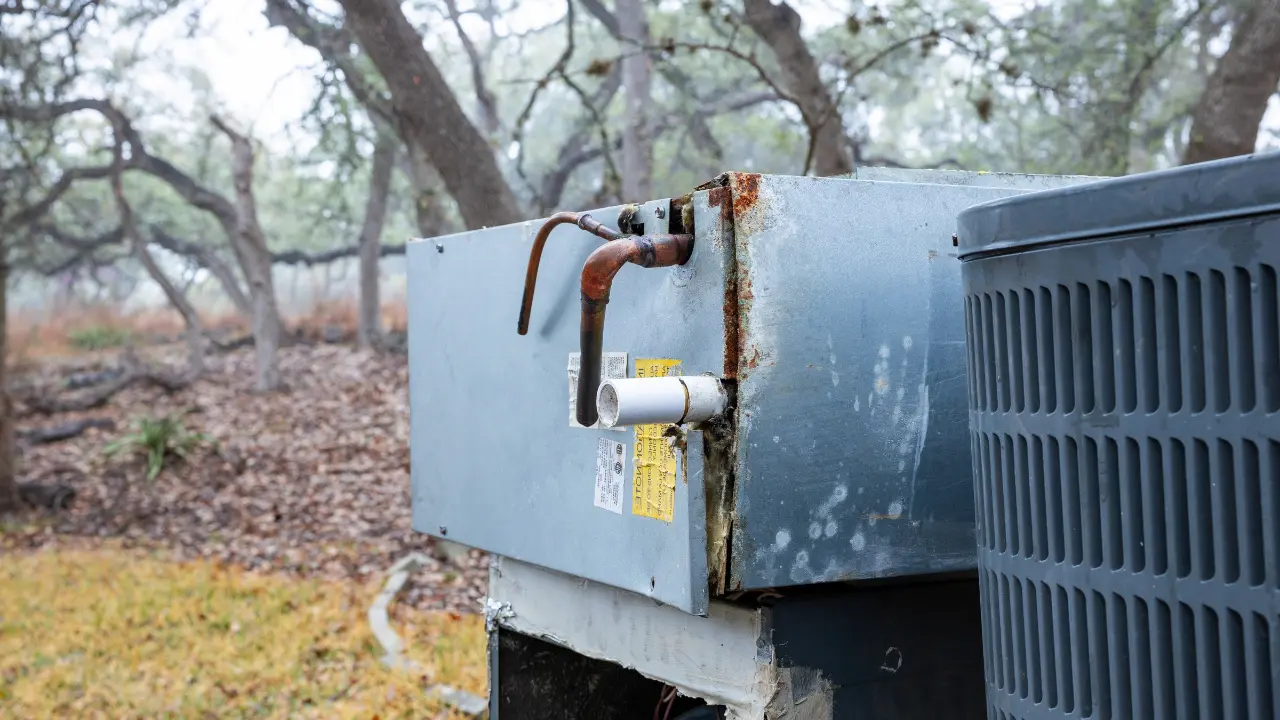
The most common sign that your HVAC system is beginning to expire is if you’ve needed frequent repairs in the past few years.
The cost of each repair adds up over time, and considering replacing rather than repairing becomes much more worthwhile as your system gets older.
2. You’ve Noticed Higher Energy Bills Over The Years
The older your HVAC system is, the less efficient it becomes, meaning it requires more energy to achieve the same goals.
If you’ve noticed a drastic increase in your energy bills over the past few years and know your HVAC system is over 10 years old, it might be time for a replacement.
3. You Feel Uneven Temperatures Around Your Home
It’s normal for one room to feel warmer than others on a hot summer day, depending on your home’s orientation to the sun. However, it’s not normal for one or several rooms to feel drastically warmer or cooler than the rest of your home.
A healthy HVAC system with quality ductwork will maintain a consistent, comfortable temperature throughout your home.
4. You Hear Strange Noises or Smell Strong Odors
A gentle hum when your AC kicks on can be normal. Loud rattling, booms, or popping sounds is not.
On top of that, if you tend to smell a strange odor coming from your vents while your system is running, this could indicate microbial growth and poor duct quality, meaning your system isn’t properly treating and filtering out airborne irritants that keep your air clean and healthy.
A healthy HVAC system will filter out dust, dander, and other airborne particles while also conditioning your air and removing harmful particulates.
5. Your Home Feels More Humid
Another thing your HVAC system is responsible for is removing moisture (humidity) from the air before cycling it back into your home.
If your home is feeling more humid than usual, your HVAC system may not be removing moisture from the air as effectively as it should, and the problem may lie within your refrigerant levels, evaporator coils, or the age of the system.
6. Your System Runs Constantly With Little Change in Comfort
No matter what type of system you have, whether it’s single-stage, 2-stage, or variable-speed, or what settings it is on, your system is designed to meet the desired temperature set on your thermostat.
If your system keeps running with little to no change in temperature and comfort, this is a big indicator that it might be time for a replacement.
7. Your System Uses Outdated Refrigerant
R-410A is considered outdated, as newer refrigerants used are typically R-454B or R-32. This change was implemented across the board in 2025 as an initiative to use a more environmentally friendly option.
That being said, if your system uses outdated refrigerant, it can be more expensive to recharge if needed because R-410A refrigerant is harder to find, and resources are limited.
So, if your system is older and uses this outdated refrigerant, it’s smart to think about replacing it soon before a major breakdown happens.
8. You Never Feel Fully Comfortable In Your Home
Perhaps one of the biggest things to consider when it comes to potentially replacing your HVAC system is your overall comfort.
If you never feel cool, often feel sticky even inside your home, and don’t sleep well because of the temperature or indoor air quality, replacing your HVAC system can drastically improve your overall comfort, health, and quality of life at home.
The Benefits of Replacing Your HVAC System Before It Fails
The last thing you want is to be left with no AC during the hottest time of the year.
Replacing your HVAC system before it completely fails allows you to:
- Avoid emergency breakdowns during peak summer or winter months
- Replace on your timeline, not during a crisis
- Have more time to compare systems and make a well-educated choice
- Take advantage of potential rebates and tax credits
- Enjoy higher efficiency and lower utility bills for longer
- Restore comfort and indoor air quality
Overall, replacing your system before it fails allows you to plan ahead, gives you time to research and make the best choice for you, and lets you enjoy your investment longer.
The Hidden Costs of Waiting For A Complete Burnout
Waiting for your HVAC system to fail not only leaves you uncomfortable but also frustrated. Dealing with a failed HVAC system leads you to scramble to find an available company, rush into decisions, and potentially make the wrong (costly) choice.
If you wait until your HVAC system fails, you risk:
- Costly emergency repair
- Limited equipment availability
- Peak-season installation delays
- Higher stress
- Living without AC during extreme temperatures
- Water damage from system failure
- Repeated repair bills that add up
Think about it: Would you rather risk the stress and frustration of leaving your comfort and safety to chance, or ensure you’ll be protected before something goes wrong?
Is It Time To Replace Your HVAC System?
So, now that you know common signs it’s time for a full system replacement, its benefits, and hidden costs of waiting for a system failure, it’s time to consider whether a replacement truly is the right choice.
The bottom line is, if you know your system is 12 or more years old, needing frequent repairs over the years, and overall not keeping up with your comfort, a full system replacement will most likely be worth it.
And if you’ve been experiencing any of these eight key issues outlined in this article, a new system will not only improve your overall comfort but also help reduce energy bills and save you money in the long run.
One of the largest benefits of replacing your HVAC system before it fails, though, is avoiding the stress of a total breakdown, especially during peak summer or winter.
But because a new HVAC system is a big investment, you want to be sure not only that it’s the right time, but that it’s worth it.
Check out this article that outlines four signs it’s time to replace your HVAC system, including the age of your system, frequency of repairs, and more.