
Very happy with the quick response to our AC issue! We noticed a significant increase in temperature compared to the thermostat setting. Once contacted, a…
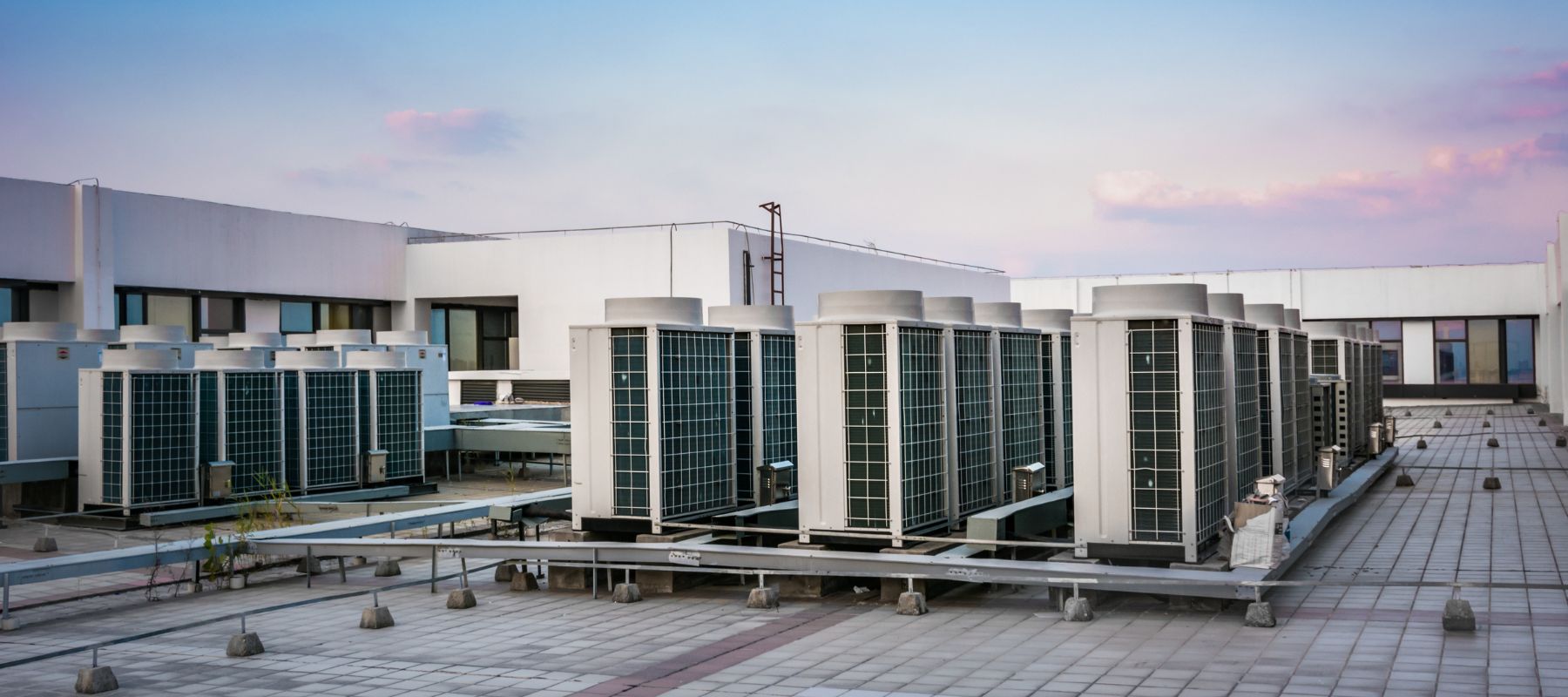
A major commercial AC breakdown usually doesn’t happen without warning. In many cases, the system starts showing smaller signs first, like uneven temperatures, longer run times, weak airflow or rising energy use.
For businesses in San Antonio, those changes can become more noticeable quickly during periods of heavy cooling demand. The earlier you recognize those patterns, the easier it becomes to address performance issues before they turn into a larger disruption that affects employees, customers or daily operations.
Commercial HVAC systems operate under a different level of demand than residential equipment. Instead of cooling a single living space, they often support larger buildings, multiple occupied areas and longer operating hours throughout the day.
Because of that workload, smaller performance issues can spread through the system faster than many property managers expect. Restricted airflow, aging components or rising strain on the equipment can gradually affect comfort, energy use and overall system stability long before the unit stops working completely. That’s why consistent commercial AC servicing plays such an important role in identifying smaller issues before they begin affecting overall system performance.
One of the earliest signs of a larger commercial AC issue is uneven cooling throughout the building. Certain areas may start feeling warmer than others, or temperatures may fluctuate throughout the day even when the system is running continuously.
If airflow from vents becomes noticeably weaker, the system may be struggling to move air efficiently through the building. In commercial spaces, that can affect comfort quickly, especially in larger or heavily occupied areas.
Commercial systems often run for extended periods during the summer, but cycles that grow longer without maintaining comfortable temperatures can point to declining efficiency or growing strain within the equipment.
A sudden increase in energy use without major operational changes often signals that the system is working harder than it should. In many cases, that added strain starts showing up on utility bills before it becomes obvious elsewhere.
New sounds, vibration, rattling or unfamiliar odors can all indicate that components inside the system are beginning to wear down. These changes are often easiest to notice before a major failure occurs.
Commercial AC systems play a major role in controlling indoor humidity. If the air starts feeling heavier, more humid or less comfortable overall, it can point to declining system performance behind the scenes.
When a commercial cooling issue starts affecting daily operations, the impact usually extends beyond temperature alone. Employee comfort, customer experience and overall building performance can all become harder to manage once the system begins falling behind during peak demand.
In San Antonio, where commercial systems often run for long hours during the hottest months, addressing performance concerns earlier typically creates more flexibility and fewer disruptions than waiting for conditions to worsen unexpectedly.
Paying attention to performance changes early usually provides the clearest picture of how the system is operating overall. Even smaller shifts in airflow, temperature consistency or energy use can reveal underlying problems before they become major disruptions.
For many businesses, the goal isn’t just to avoid a breakdown. It’s to maintain reliable performance during the periods when the building depends on cooling the most. Having the system evaluated before conditions worsen can make it easier to determine whether the issue involves airflow restrictions, worn components, aging equipment or larger commercial AC repair needs. In some cases, larger repairs or replacements may also involve local commercial HVAC code or regulation requirements, depending on the scope of the work.
Commercial cooling issues don’t always point to an immediate failure, but patterns that continue getting worse rarely correct themselves over time. When comfort becomes inconsistent, energy use starts climbing or the system no longer feels reliable, it’s usually a sign that the equipment needs closer attention.
For businesses in San Antonio, understanding those warning signs early can help reduce downtime and create more predictable long-term decisions for the building. Wright Home Services helps businesses evaluate how their commercial AC systems are performing so problems can be identified before they turn into larger operational disruptions.