
They treated us awesomely, friendly, easy buying experience, the installation was very good, fast and answered all our concerns.

In many cases, yes. Larger repairs, equipment replacements and system modifications often involve requirements that vary depending on the building and the scope of work being performed.
Commercial AC projects can involve permitting, inspections or other local requirements, but that doesn’t mean business owners and property managers need to become experts in the process. What matters is recognizing when a project moves beyond routine maintenance and into work that may require additional review.
Replacing a filter or performing seasonal maintenance is very different from replacing a rooftop unit or modifying part of the system. Once larger equipment or infrastructure is involved, it’s worth asking what requirements may apply before project plans are finalized.
Not every commercial HVAC project follows the same path. The amount of review involved often depends on the type of work being performed and how much of the system is being changed.
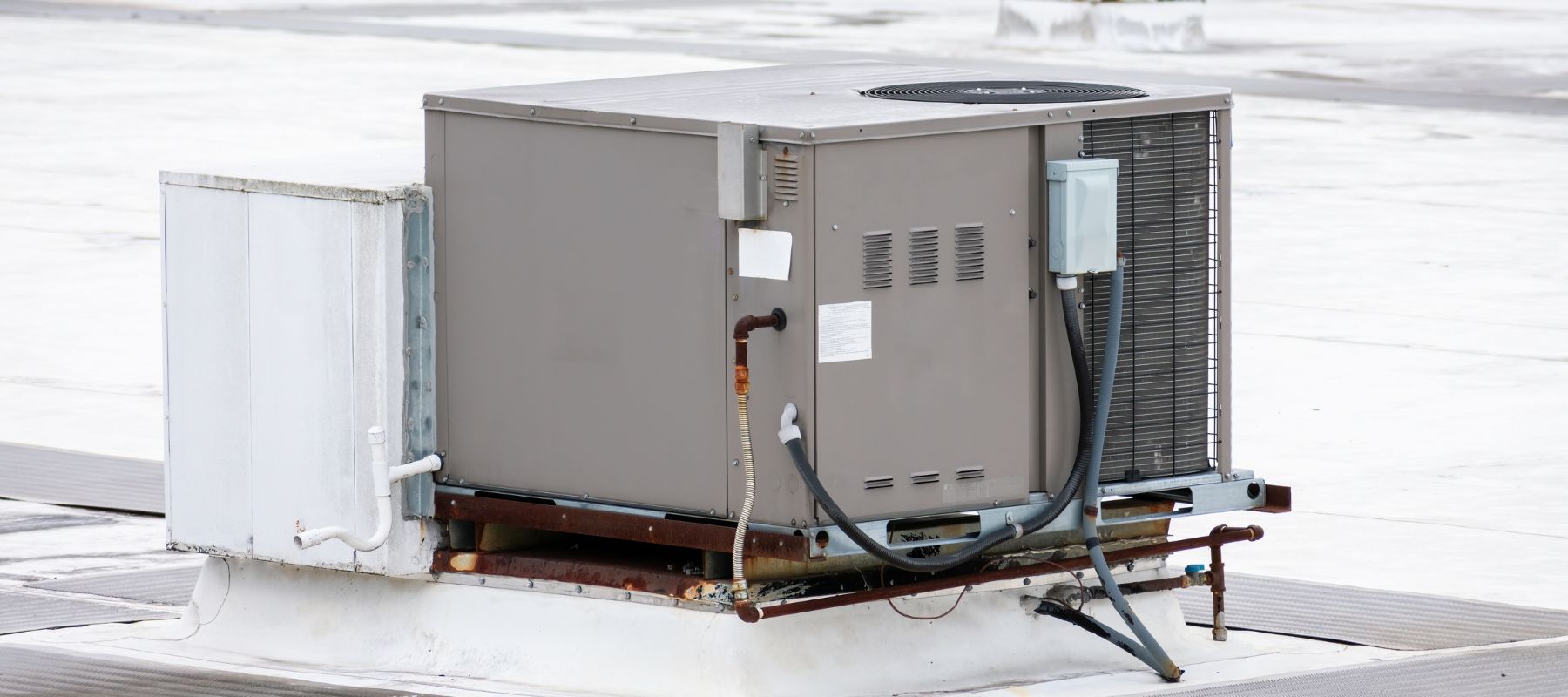
Replacing a commercial rooftop unit may involve more than simply swapping equipment. Factors such as system size, efficiency requirements and installation methods can all influence what approvals or inspections may be required.
When cooling is added to new areas of a building or existing systems are expanded, the project may require additional review to ensure the equipment is properly designed for the space.
A remodel often changes how a building is used. As occupancy levels, layouts or cooling demands shift, HVAC modifications may become part of the larger renovation process.
Significant ductwork changes can affect airflow throughout the building. Depending on the scope of work, those modifications may be reviewed as part of a broader HVAC project.
Many commercial buildings in San Antonio have been operating for years, sometimes decades. While older facilities can continue performing well, they often have a history of renovations, equipment upgrades and previous modifications that influence future HVAC projects.
A planned system upgrade may reveal limitations that weren’t obvious during day-to-day operation. Existing ductwork, equipment sizing or aging infrastructure can all affect how a project moves forward and whether additional considerations come into play.
HVAC projects tend to move more smoothly when potential requirements are discussed early. Understanding what may apply before work begins helps reduce the chance of unexpected changes after the project is already underway.
That same proactive mindset often helps building owners avoid larger HVAC issues over time. Businesses that stay ahead of commercial AC servicing schedules often have a clearer understanding of how their systems are performing and where future upgrades may eventually be needed.
The best time to ask about local requirements is before project details are finalized. This is especially true when equipment is being replaced, cooling capacity is changing or renovations are planned.
Questions are also worth asking when an HVAC system has been in service for many years and larger upgrades are being considered. In some cases, discussions about permitting and project scope naturally overlap with conversations about whether the equipment is showing warning signs that deserve closer attention before a major breakdown occurs.
The goal isn’t learning every local HVAC regulation that could apply to a commercial building. It’s understanding when additional requirements may become part of a project so planning can happen with fewer surprises.
For businesses in San Antonio, having those conversations early often leads to more predictable outcomes and smoother project execution. Wright Home Services helps businesses evaluate commercial HVAC projects, understand potential requirements and move forward with greater confidence when upgrades or system changes are being considered.