
Should You Install A Central, Ductless Or Heat Pump System In Your San Antonio Home?
Your Guide To Finding The Right Comfort System
Choosing a new HVAC system can feel like a big decision — and for good reason. Between central air conditioners, ductless AC units and heat pump systems, homeowners today have more choices than ever. The key to picking the right system is understanding how each unit works.
At Wright Home Services, we help homeowners make informed decisions with expert guidance and quality installations designed for year-round comfort. Follow along as we break down the difference between common HVAC options.
Central Air Conditioning And Heating: A Reliable Source Of Whole-Home Comfort
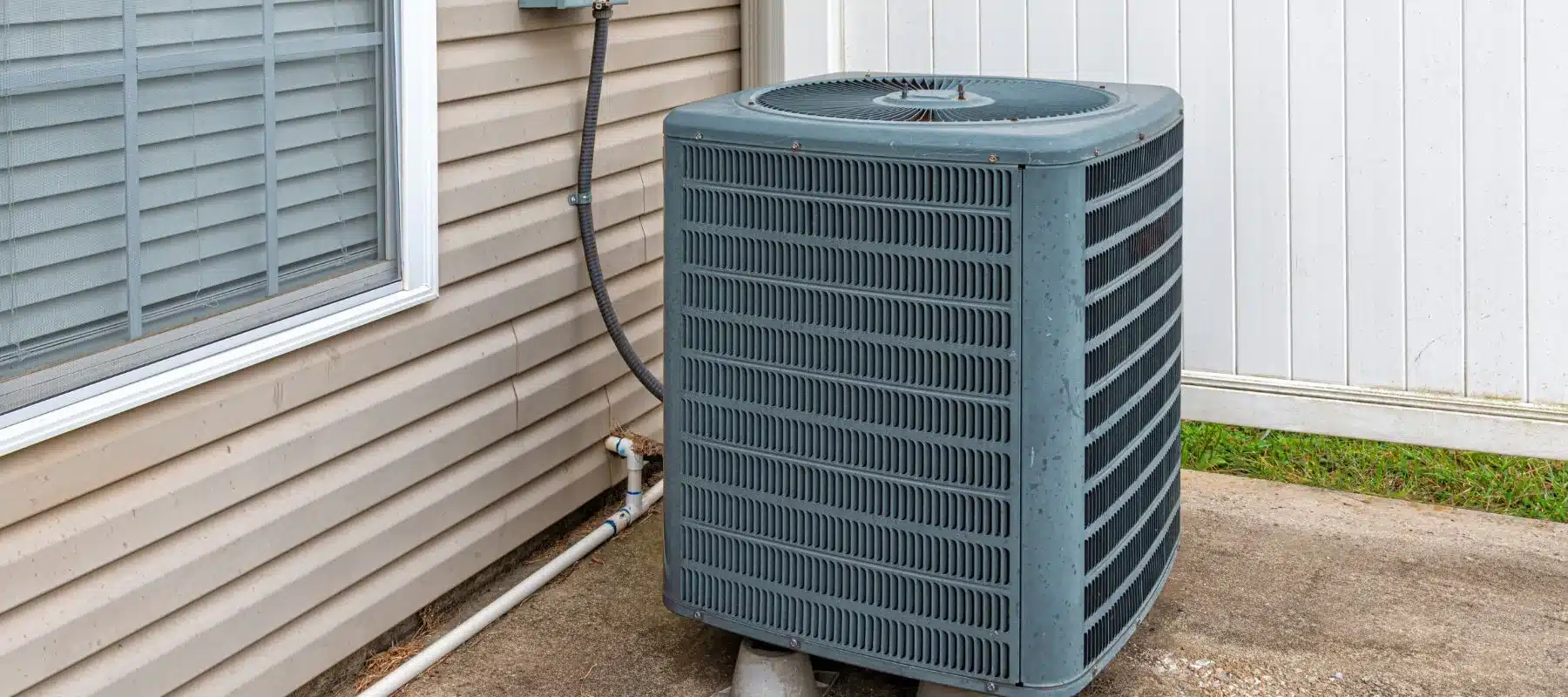
Central air systems cool your home by pulling warm air through return vents, passing it over an evaporator coil and circulating cooled air through ducts. This setup maintains consistent temperatures throughout your home, making it particularly suitable for larger floor plans.
If your home already has ductwork in good condition, a central air conditioner can be a cost-effective replacement option. However, these systems can lose efficiency if ducts are old, leaky or poorly insulated — something Wright Home Services can inspect and improve.
One common question we hear is about the difference between air conditioner and heat pump systems. While both look similar and provide cooling, an air conditioner only cools your home. A heat pump, on the other hand, can both cool and heat it.
Heat Pump Systems: Your Key To Year-Round Efficiency In San Antonio
A heat pump is one of the most versatile and energy-efficient HVAC options available. Unlike a furnace that burns fuel to create heat, a heat pump transfers existing heat from one place to another — moving warmth from the outdoor air into your home during winter, and reversing the process to provide cooling in summer.
Because San Antonio has mild winters, heat pumps can provide efficient year-round comfort without the need for a separate heating system. They’re available in both ducted (central-style) and ductless (mini-split) configurations, allowing homeowners to choose the option that best fits their space and budget.
Mini-Split Or Heat Pump — What’s The Difference?
Many homeowners ask, “Is a mini split considered a heat pump?”
The answer is that it can be. A mini-split is a ductless system that uses an outdoor compressor and one or more indoor air handlers to control the temperature in specific rooms. A heat pump is a mini-split system, but not all mini-splits are heat pumps. They must be able to provide both heating and cooling to be classified as such.
Ductless Mini-Split AC Systems: Flexible And Efficient
A ductless air conditioner operates similarly to a standard central AC system, but without the need for ductwork. Instead of sending air through vents, these systems use compact indoor units mounted on walls or ceilings to deliver cool air directly into each room. They’re especially useful for older homes, new additions or areas where extending ducts isn’t possible.
Because each indoor unit operates independently, you can cool only the spaces you use most, saving energy while maintaining customized comfort. Unlike a heat pump, a ductless air conditioner is designed exclusively for cooling — a perfect fit for San Antonio homes that need targeted comfort during the summer months.
Which System Is Right For Your Home?
The best HVAC system for your San Antonio home depends on factors like your home’s layout, insulation, energy goals and whether you already have ductwork in place. Here’s a quick guide to help narrow your options:
- Central air conditioning — These units are best if your home already has ducts in good condition and you want reliable, whole-home heating and cooling.
- Heat pump system — This option is ideal for those seeking efficient heating and cooling capabilities in a single system.
- Ductless air conditioning — Homeowners should choose this option if they don’t have air ducts or when they’re looking to add zoned comfort to specific areas.
Wright Home Services can perform a professional in-home assessment to evaluate your home’s current setup and recommend the most efficient and cost-effective option.
Wright Home Services — Helping San Antonio Stay Comfortable All Year Long
There’s no one-size-fits-all solution when it comes to heating and cooling your home. That’s why Wright Home Services takes a personalized approach to every installation. Our technicians are trained, licensed and experienced with different HVAC system types.
If you’re considering a system upgrade, we’ll walk you through your options, explain the benefits of each and ensure you choose a solution that balances comfort, energy efficiency and long-term reliability.
Hear WHAT OUR CUSTOMERS SAY

San Antonio, TX 78249