In this article…
- 5 Questions About Diagnostics and Repair
- 7 Questions About Repair vs. Replacement
- 3 Questions About Long-Term Comfort, Warranty, and Support
- Finding the Right HVAC Company for You
When temperatures and humidity start climbing, your air conditioner quickly becomes one of the most important systems in your home.
Unfortunately, summer is also one of the busiest times of year for HVAC companies, which means many homeowners end up making rushed decisions when their system suddenly stops working in the middle of the heat.
This also means that more homeowners are more likely to choose a company with the fastest availability, rather than properly vet several companies and find the most trustworthy one.
While there are many honest and trustworthy HVAC companies out there, not every company approaches repairs, diagnostics, or replacement recommendations the same way.
Some companies focus on educating homeowners and finding the best long-term solution, while others may rush through diagnostics or pressure homeowners into expensive repairs or replacements they may not fully understand.
The good news is that asking a few simple questions before approving repairs or hiring an HVAC company can help you feel more confident, avoid unnecessary stress, and make a more informed decision for your home.
Here are some of the most important questions every homeowner should ask before approving any AC repair or replacement services this summer to avoid getting ripped off and left with no cooling.
5 Questions About Diagnostics and AC Repair
1. Can You Show Me What’s Actually Wrong?
One of the first things you should ask any HVAC technician is whether they can show you what’s causing the issue with your system.
A trustworthy technician should be willing to explain the problem clearly and provide visual proof whenever possible. In many cases, this may include showing you:
- Photos of damaged parts
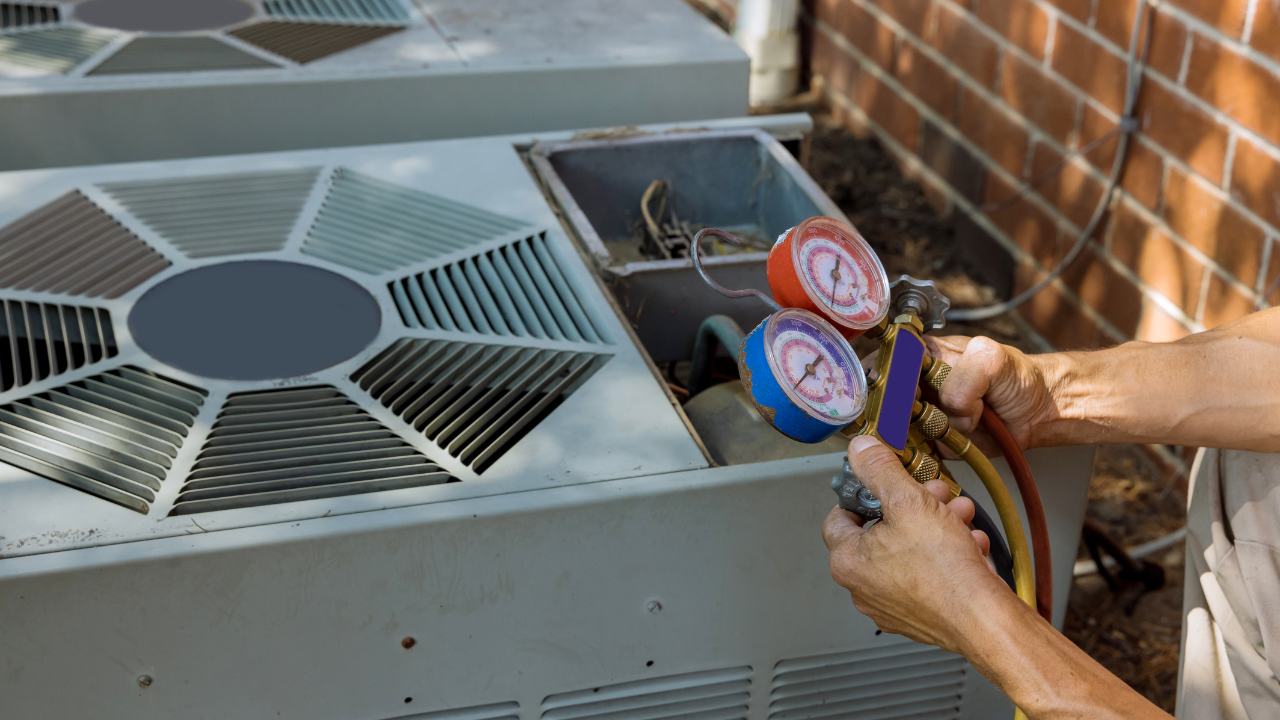
- Refrigerant readings
- Electrical test results
- Clogged drain lines
- Dirty evaporator coils
- Worn components
Most homeowners are not HVAC experts, and you should never feel pressured into approving repairs you do not fully understand.
A company that takes the time to walk you through the issue and explain what they found is often a good sign that they value transparency and customer education.
2. Can You Explain the Problem in Simple Terms?
HVAC systems are complicated, and it’s easy for technical terminology to become overwhelming. That’s why it’s important to work with a company that can explain things in a way that actually makes sense.
A good technician or comfort advisor should be able to explain what failed, why it failed, how it affects your comfort system, and what the recommended repair or replacement will accomplish.
You should never feel embarrassed for asking questions or requesting clarification. Honest HVAC companies understand that homeowners are making major financial decisions, and they should help you feel informed and comfortable throughout the process.
3. Is This Repair Urgent or Can It Wait?
Not every HVAC issue is an emergency, even during the summer.
Some repairs need immediate attention because they could lead to system damage, electrical hazards, or water leaks if ignored. Other issues may simply reduce efficiency or comfort over time without creating immediate danger, and you may be able to wait to repair or replace that part.
Asking whether a repair is urgent can help you, prioritize repairs, budget more effectively for the present and future, and avoid feeling pressured into making rushed decisions.
For example, a failed capacitor that keeps your system from turning on may require immediate repair, while a recommendation for coil cleaning or airflow improvements may be something you can plan for in the near future.
A trustworthy HVAC company should clearly explain the risks of waiting without using fear or pressure tactics.
4. Will This Repair Actually Solve the Problem?
Sometimes the part that failed is not the root cause of the issue.
For example, repeatedly replacing a capacitor without addressing poor airflow or dirty coils may only lead to additional breakdowns later. Similarly, continuously adding refrigerant without locating the source of a leak may only provide a temporary fix.
That’s why you should always ask whether the recommended repair addresses the underlying problem or simply treats the symptom.
A quality HVAC company should focus on diagnosing the complete issue rather than simply replacing parts as quickly as possible.
5. Did You Test the Entire System or Just the Broken Part?
Your air conditioning system works as a complete system, not as individual parts operating independently.
If one component fails, there may be additional issues contributing to the problem. A thorough HVAC inspection should evaluate:
- Airflow
- Refrigerant performance
- Electrical components
- Drainage
- Thermostat operation
- Indoor and outdoor equipment performance
Some comfort problems may not even originate from the air conditioner itself. Poor ductwork, airflow restrictions, insulation issues, or thermostat placement can all impact how well your system cools your home.
Companies that perform a more complete system evaluation are often better equipped to identify long-term comfort and efficiency problems.
7 Questions About AC Repair vs. Replacement
6. Do I Really Need a New System?
One of the biggest concerns homeowners have is whether they truly need a full AC replacement or if a company is just trying to sell them.
In some situations, replacement may absolutely make sense, especially if the system is older, requires frequent repairs, uses outdated refrigerant, or has major component failures. However, age alone does not automatically mean your system must be replaced.
A trustworthy HVAC company will discuss:
- The condition of your current system
- Repair history
- Expected lifespan left
- Efficiency
- Repair costs versus replacement costs
They should also explain all available options so you can make the decision that best fits your home and budget.
7. How Much Life Is Left in My Current System?
Even if your system can still be repaired, it’s smart to ask about its overall condition and expected lifespan.
No technician can predict the future perfectly, but experienced HVAC professionals can usually provide realistic expectations based on:
- System age
- Maintenance history
- Operating condition
- Frequency of breakdowns
- Efficiency decline
This information can help you plan ahead financially instead of being caught off guard by a sudden replacement later.
8. What Are All My Options?
You should never feel boxed into a single recommendation. In many situations, there may be several possible solutions available depending on your goals, budget, and long-term plans for the home.
Your options could include repairing the existing system, upgrading specific components, improving airflow or ductwork, replacing parts of the system, or replacing the entire system.
A trustworthy HVAC company should explain the pros and cons of each option instead of immediately pushing the most expensive solution.
9. Will a Bigger System Cool My Home Better?
Many homeowners assume that a larger air conditioner with a higher tonnage and SEER rating automatically means better cooling, but that is not always true.
Oversized systems can actually create comfort problems because they cool the home too quickly without properly removing humidity from the air. This can lead to:
- Short cycling
- Uneven temperatures
- Excess indoor humidity
- Reduced efficiency
- Increased wear and tear
Proper system sizing is extremely important. A reputable HVAC company should evaluate your home’s size, layout, insulation, windows, and airflow needs before recommending new equipment.
10. Why Are HVAC Quotes So Different?
If you receive multiple HVAC estimates for either a repair or a full system replacement, you may notice that pricing typically varies from one company to another.
That’s because HVAC quotes often include far more than just the equipment itself. Differences in pricing may involve:
- Equipment quality
- Installation practices
- Labor warranties
- Permit costs
- Duct modifications
- Thermostat upgrades
- Airflow improvements
- Included accessories
- Post-installation testing
The lowest estimate is not always the best long-term value. Poor installation quality can lead to comfort issues, efficiency problems, and costly repairs down the road.
11. What’s Included in the Price?
Before approving repairs or replacement work, ask for a clear breakdown of what is included in the estimate.
Depending on the project, pricing may include:
- Labor
- Permits
- Haul-away of old equipment
- Thermostat installation
- Electrical upgrades
- Testing and startup
- Warranty registration
- Ductwork modifications
And, as mentioned in the above section, the cost of each of these components varies company to company.
Understanding the full scope of work and having a full breakdown of the costs can help prevent confusion and unexpected costs later while also helping you accurately compare HVAC companies and choose the best one.
12. Can I Get a Second Opinion?
Major HVAC repairs and system replacements are significant financial decisions, and there is nothing wrong with getting a second opinion before moving forward.
In fact, trustworthy HVAC companies usually understand and respect this decision, especially for large projects, like compressor replacements, full system replacements, large ductwork projects, or expensive repairs on older systems.
Comparing recommendations will help you feel more confident and better understand their available options.
3 Questions About Long-Term Comfort, HVAC Warranty, and Support
13. What Maintenance Could Help Prevent Future Problems?
Many AC breakdowns in the summer are caused by preventable issues that develop over time (including lack of maintenance).
Asking about maintenance recommendations can help improve system performance and reduce the likelihood of future repairs.
Some common maintenance tips to follow after a repair or full system replacement include:
- Regularly changing filters
- Cleaning drain lines
- Scheduling seasonal tune-ups (at least 2x per year)
- Cleaning coils
- Monitoring refrigerant performance
- Checking airflow and duct conditions
Routine maintenance also helps improve efficiency and extend the life of your system.
14. What Warranty Comes With This?
Before approving repairs or installing new equipment, make sure you understand what warranty coverage is included.
There are often multiple types of warranties involved, including manufacturer or parts warranties, labor warranties, and other guarantees that protect the workmanship of the company.
Knowing what is covered and for how long can help protect your investment and provide peace of mind moving forward.
15. What Happens After the Repair or Installation?
The relationship with your HVAC company should not end the moment the work is completed.
A quality HVAC company should continue supporting homeowners after the repair or installation through:
- Warranty support
- Maintenance recommendations
- Follow-up communication
- Options for maintenance plans
Long-term customer support is often one of the biggest differences between companies focused on quick sales and companies focused on building trust and long-term relationships.
Finding the Right HVAC Company for You
Choosing an HVAC company is about more than simply finding the lowest price. It’s about finding a team that takes the time to educate you, explain your options clearly, and help you make the best decision for your home.
Asking the right questions can help you:
- Feel more confident during the process
- Better understand your HVAC system
- Avoid unnecessary repairs or pressure
- Make smarter long-term decisions for your comfort and budget
During the summer heat, it’s easy to feel rushed when your air conditioner stops working. But taking a little extra time to ask questions and understand your options can go a long way toward protecting both your home and your peace of mind.
Along with asking the right questions and knowing what to listen for in a high-quality answer, knowing what qualities to look for in a trustworthy HVAC company is important.
To better help you find the best AC company for you, check out this article that outlines 12 things to look for in a high-quality HVAC company, such as their reviews, online photos, and more.