
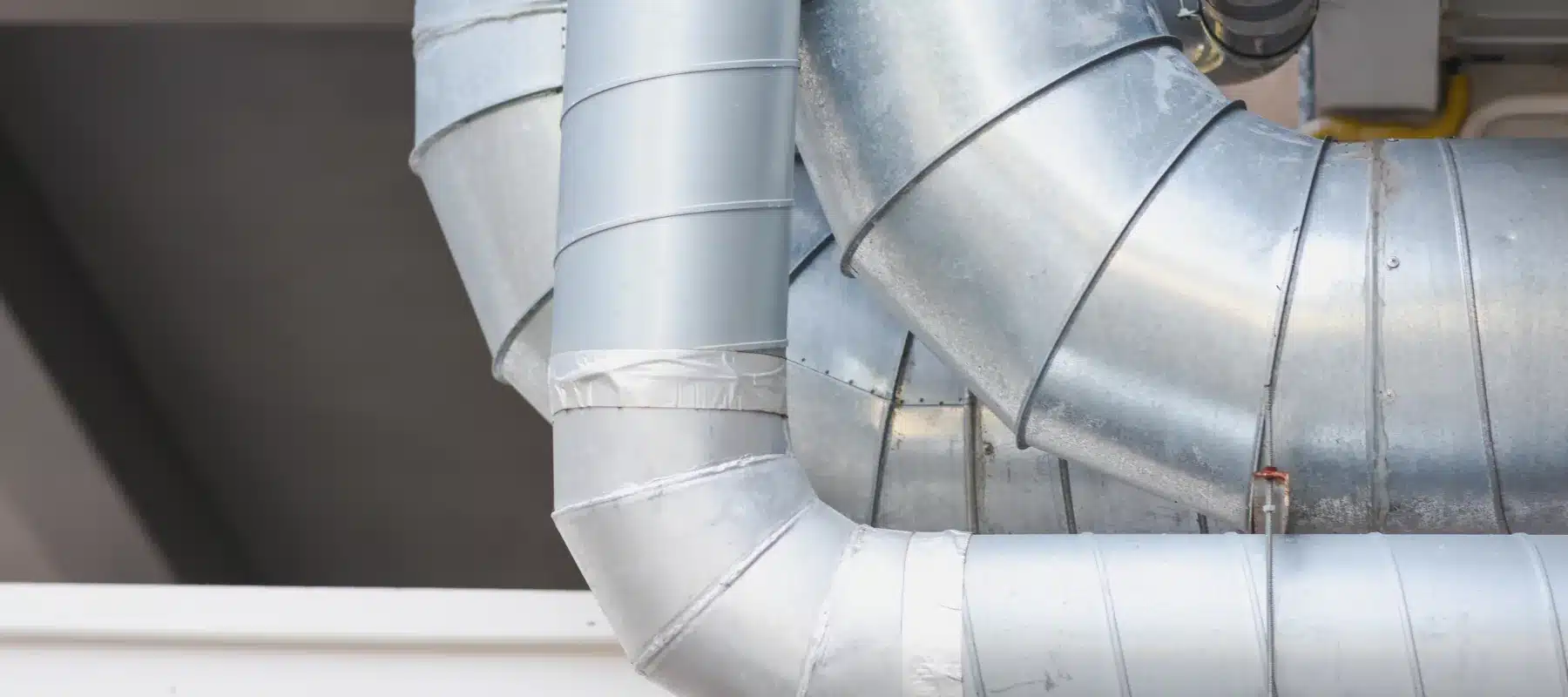
Why Is My Ductwork Making A Rattling Noise?
Your Guide To Noisy Ductwork: Say Goodbye To Rattling Sounds
You’re finally settling into the couch, ready to unwind, when your HVAC system kicks on — and suddenly a strange rattle travels through the walls or ceiling. It’s an unexpected interruption, but it might also be a clue.
While an occasional sound isn’t unusual, consistent rattling is worth paying attention to. Your ductwork plays a quiet but essential role in keeping your home comfortable, moving conditioned air from room to room without drawing attention to itself. So when it starts making noise, it’s more than a minor annoyance — it’s your system’s way of telling you something needs a closer look.
Understanding what’s behind those sounds is the first step to restoring comfort, efficiency and a little well-deserved peace and quiet. Let our team at Wright Home Services share what you need to know!
Understanding The Source Of The Rattle
When the HVAC system turns on, a large volume of air moves quickly through metal duct channels. If the ducts aren’t securely fastened, properly supported or sized correctly, the airflow can cause sections of metal to vibrate against framing, insulation or other duct materials. This vibration often results in the rattling noise homeowners notice.
Sometimes, the sound develops over time rather than appearing suddenly. Normal wear, settling of building materials, aging insulation or previous duct repairs can all contribute. Even if the sound doesn’t appear threatening, rattling should be considered a performance-related signal.
Is Rattling Harmful Or Just Inconvenient?
Some homeowners assume rattling is “just what ducts do,” but that’s not the case. While light vibration may not indicate immediate damage, ongoing movement can eventually weaken connections, create gaps or lead to air loss.
Once this occurs, the HVAC system must work harder to maintain desired temperatures, resulting in longer run cycles, reduced efficiency and unnecessary wear on internal components.
Changes in noise level — especially rattling that becomes sharper, louder or more widespread — often indicate a problem that is progressing rather than staying static.
Signs You Noisy Ductwork Requires Professional Attention
Rattling should be evaluated if any of the following conditions are present:
- The sound grows louder over time
- The rattling turns into heavy bangs or thuds
- You see loose duct sections or insulation
- Temperature balancing becomes harder
- Utility bills creep upward
Ignoring duct noises can lead to air leaks, lost efficiency or strain on your HVAC equipment — so even if you can live with the noise, your system shouldn’t have to.
Other Common Duct Noises
Not all duct noises are the same, and they can have different meanings. So, if you’ve ever wondered, “Why does my ductwork make banging noises?” or “What’s causing that whistling?” our team can help you find the answer.
Rattling is typically continuous and vibratory in nature, while banging or booming noises often accompany rapid temperature change or airflow restriction. Popping noises tend to be brief and occur only during system transitions, whereas whistling usually signals air leakage rather than vibration.
When a technician evaluates duct performance, sound identification is part of the diagnostic process because each sound corresponds to a different mechanical behavior.
We Fix Ducts The Wright Way
At Wright Home Services, we don’t guess — we diagnose. Depending on what we find, a duct repair may include:
- Securing duct joints and hangers
- Resealing or reinforcing connections
- Adding insulation or vibration dampeners
- Balancing airflow
- Inspecting system sizing and static pressure
Our goal is simple: quieter operation, better efficiency and a home that feels peaceful again.
Schedule A Professional Ductwork Inspection
If noisy ducts are distracting your movie nights, interrupting your sleep or making you question whether your house is haunted by HVAC spirits, we’re here to help. Wright Home Services offers professional duct inspections, repairs and airflow optimization to keep your system running smoothly and quietly.
Call today to schedule your visit — because comfort shouldn’t come with a soundtrack.
Hear WHAT OUR CUSTOMERS SAY

San Antonio, TX 78249