
Blake H. was excellent! He was professional, knowledgeable, friendly, and made sure everything was done right. He explained everything clearly and went above and beyond.…
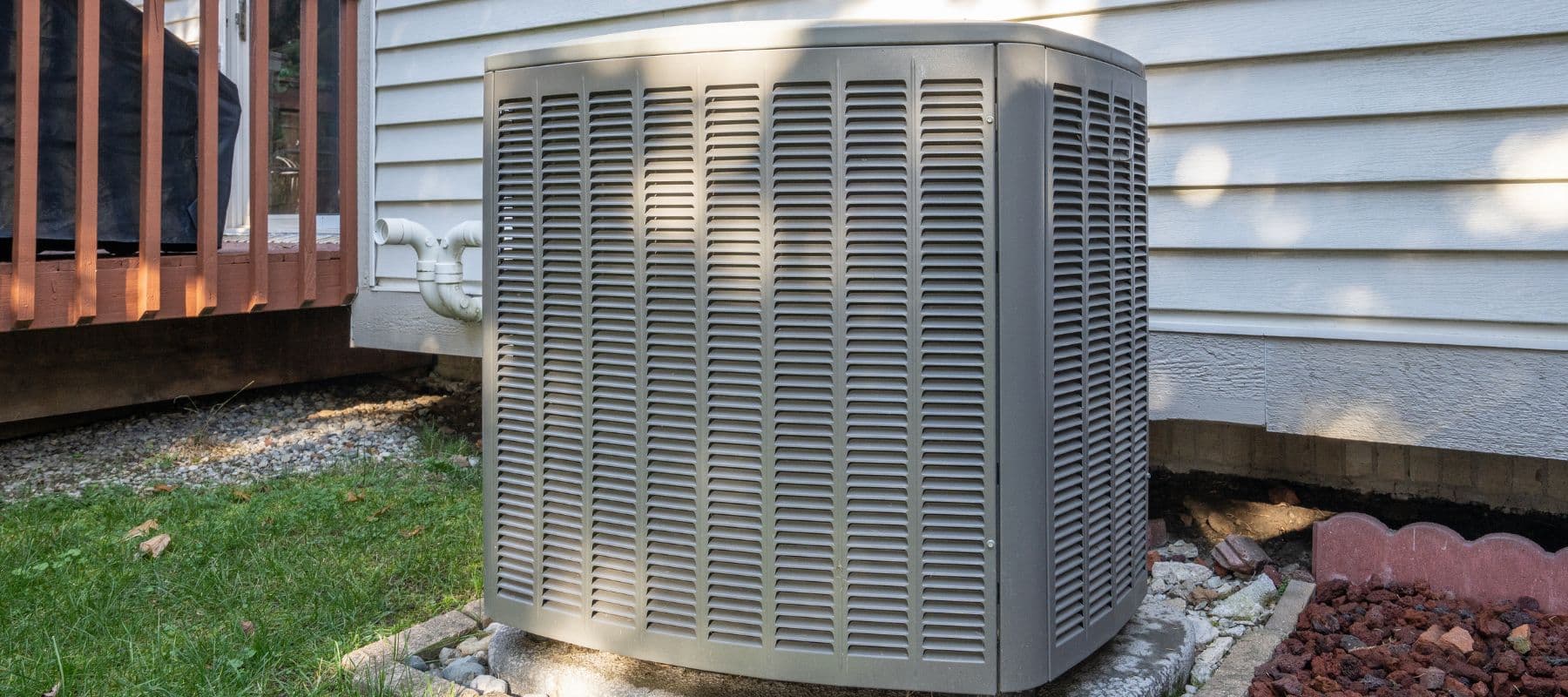
In many San Antonio homes, yes — especially when your system runs constantly, struggles to keep temperatures even or starts driving up energy bills. As systems wear down, they lose the ability to keep up with demand, and that’s often when an upgrade becomes the more reliable long-term solution.
Cooling systems in San Antonio don’t get much downtime. Instead of cycling occasionally, they often run for long stretches day after day, especially during peak summer months.
Over time, that kind of workload adds up. Components wear down, airflow becomes less consistent and the system has to work harder to deliver the same level of comfort. Even if everything seems to be running, those small changes can affect how evenly your home cools and how much energy it takes to maintain it.
Some systems don’t fail all at once. Instead, they start to fall behind in small ways that become more noticeable over time.
You might start to notice patterns like:
When these issues start stacking up, it’s often a sign the system isn’t operating as efficiently as it should — and that’s usually when an upgrade becomes worth considering.
Upgrading your system isn’t just about using less energy. It usually shows up in how your home feels and how your system behaves day to day.
Here are some of the differences homeowners tend to notice:
These changes don’t happen overnight with every system, but in homes where the current unit is struggling, the difference can become noticeable fairly quickly after an upgrade.
SEER2 ratings measure how efficiently an air conditioner operates, but the number itself doesn’t tell the full story. What matters more is how that efficiency translates into performance in your specific environment.
In San Antonio, where cooling systems run for extended periods, higher-efficiency units tend to make a bigger impact than they would in milder climates. A system with a higher SEER2 rating can reduce how hard it has to work during long cooling cycles, which often leads to more stable energy use and less strain on the system over time.
That said, the highest rating isn’t always the best fit for every home. Factors like home size, insulation and ductwork all play a role in how efficiently a system performs. The goal isn’t just choosing a higher number. It’s choosing a system that matches how your home actually uses cooling.
Upgrading your AC system is usually more straightforward than most homeowners expect. The biggest part of the process is understanding how your current system is performing and what your home actually needs to stay comfortable.
Once that’s clear, the focus shifts to choosing a system that fits how your home is used day to day. That includes things like cooling demand, airflow and how evenly temperatures are maintained throughout the space. From there, installation is typically completed in a relatively short window, with minimal disruption to your routine.
The goal isn’t just to replace equipment, but to improve how your system performs as a whole so the changes you notice after the upgrade are consistent and long-lasting.
At a certain point, the question usually shifts from how your system is working to whether it still makes sense to keep it.
If your system is still cooling your home consistently and you’re not seeing major changes in performance, it can make sense to hold off. Some systems continue to run reliably for years without needing immediate replacement, especially if they’ve been well maintained.
Once performance begins to shift, the situation usually changes. Longer run times, uneven cooling or rising energy use often mean the system is working harder to keep up. At that point, the cost of keeping it running isn’t just repairs, it’s also the added strain and inefficiency over time.
For many homeowners in San Antonio, the decision comes down to reliability. If the system no longer feels consistent or you’re starting to question whether it will make it through another summer, upgrading earlier tends to be the more predictable and less disruptive choice.
Every home is different, and the right decision depends on how your current system is performing over time. In some cases, small inefficiencies can be managed, but when comfort starts to decline or performance becomes inconsistent, it’s usually a sign that a more reliable solution is worth considering.
For homeowners in San Antonio, where cooling systems carry a heavy load for most of the year, having a clear understanding of your options can make the decision much easier. Wright Home Services helps guide that process, offering straightforward insight into whether a high-efficiency upgrade makes sense based on how your home actually uses cooling.